
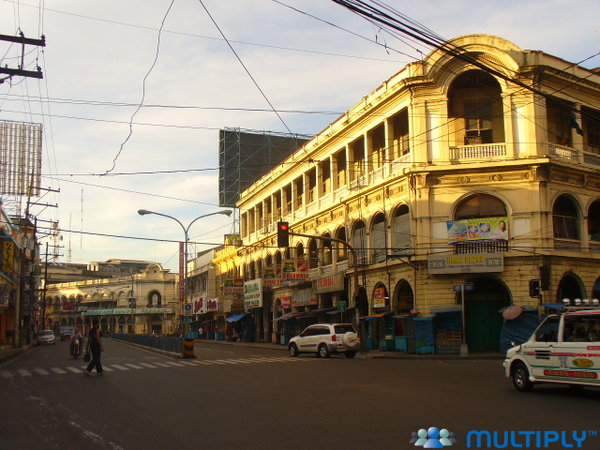
The International House (S.Villanueva Bldg) of Calle Real
Originally published at Cebu Daily News on May 29, 2007
Time stood still amidst the hustle and bustle of downtown traffic of modernity. Decades old establishments still stand against the test of time, reflecting the glorious days of commerce and trade of what was then, the Queen City of the South.
From its humble beginnings as a fishing community along the swampy riverside, Iloilo grew up to be one of Philippine’s premier cities when in 1855, the Spanish colonial government opened the sea port of Iloilo to international trade, and with the introduction of modern sugar farming by the British Vice-Consul Nicolas Loney. Calle Real is the manifestation of Iloilo’s glorious past. The street itself is a museum of old edifices that survived the onslaught of war, elements and time.
Old establishments still stand up to this very moment, still vibrant with commercial and vehicular traffic. JM Basa Street (and also Iznart St.), or known popularly as Calle Real is referred as the “Escolta” of Iloilo City. Named “Calle Real” or “Royal Street”, it spans from Plaza Alfonso XII (now known as Plaza Libertad) all the way to Plazoleta Gay and the location of commercial establishments, the Casa Real (Iloilo Provincial Capitol) as well as the residences of the Ilonggo elite.






Aug
23
2009
Tourist Buses Not Allowed at Iloilo City? (A Commentary)
by Berniemack Arellano
August 23, 2009
Calle Real, Downtown Iloilo City
Not so long ago, Iloilo City experienced surges of tourists flocking in to see it’s premiere festival: Dinagyang. However this is just once in a year…and the festival period of the city goes from 2nd week of January until mid-February, with Paraw Regatta closing the season. I laud the efforts of the City Tourism Office, the private sector and also DOT for the tireless effort in promoting Iloilo City as a tourist destination, despite Typhoon Frank and lack of attractions and amenities within the city.
Now, the city is also looking for a year round income-generator based on tourism. More tourists means more business. More business means brisker economy. Brisker economy means more jobs. More jobs in return makes one city livable. This simple domino effect understood by many policy makers, is part of what our capitalist world does. But what if one’s myopic interpretation of an ordinance may create a stumbling block for the economic take-off of the city? Read the rest of this entry »
Tags: Iloilo, Iloilo City, Perimeter Boundary Ordinance, Philippines, traffic management