
Calle Crisologo de la Turista
Vigan is already known all throughout with its Spanish-colonial buildings that line up the city’s center, especially in Calle Crisologo. The well-preserved “Heritage Village” has become the city’s masterpiece of urban planning, and at the same time, its crown jewel. Recently, the city has been voted as one of the Seven New Wonders Cities, alongside being a UNESCO World Heritage Site. However, its newfound title has brought in visitors the locals couldn’t even imagine it is possible!
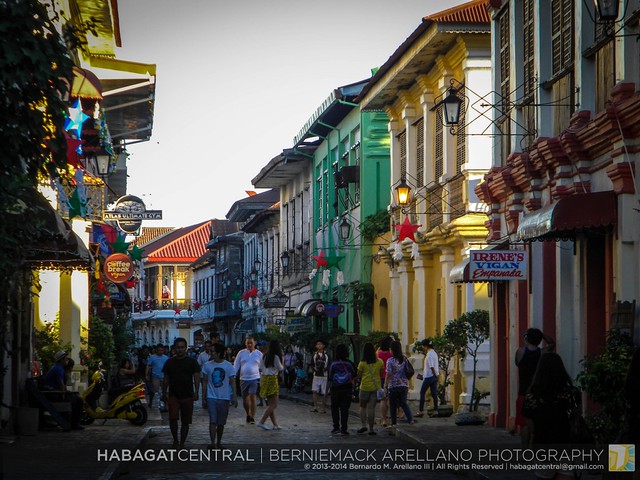
The historic city center of Vigan. A UNESCO World Heritage Site.
We arrived at the city at around 3 in the afternoon, a day after Christmas. For us Filipinos, it was a long holiday, and so people pack up from the Big City and went somewhere else. Though we were expecting that a great majority of tourists will head up to the cool mountains of Baguio, we were wrong.
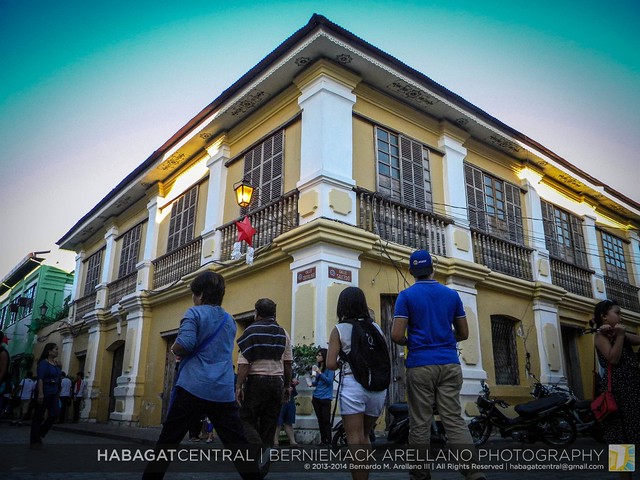
Tourists were everywhere that afternoon!
We reached the 400-kilometer far city in Ilocos—but the crowd was…woah!!! Saan nanggaling ang mga ito?! Bakit nalipat ang EDSA dito sa Crisologo? Anyare?
Theories of Surge of Tourism
Compared to Calle Crisologo when we visited also a day after Christmas in 2009, the scene was far from being laidback. Tourists were everywhere.
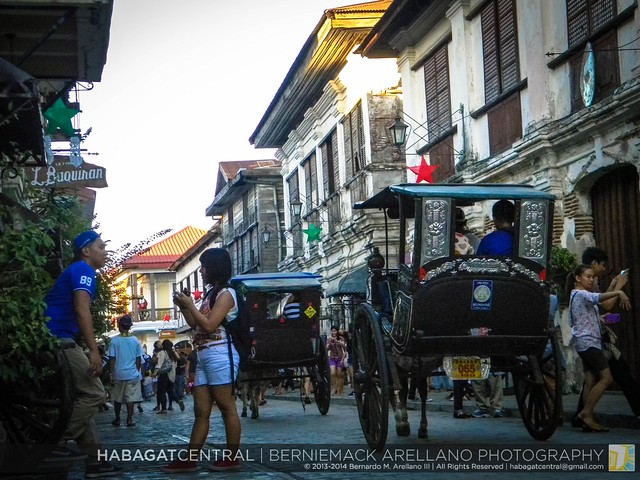
Calesas have to manage getting through the crowd from time to
We asked several locals back then. Most of them said this: “Two weeks ago, it was the usual crowd in Vigan. Then suddenly, there was a surge of visitors!” They were referring to the new title that was bestowed to Ciudad Fernandina—The New 7 Wonders City. This is Puerto Princesa’s counterpart up north.
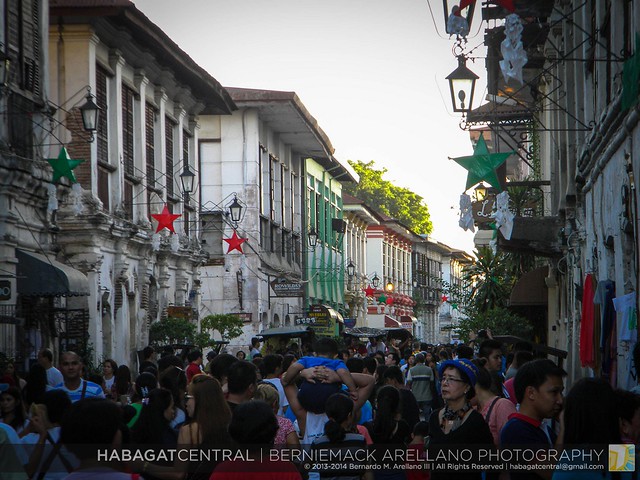
Addakul ti tao ngarud! It was surprising that Calle Crisologo was full of people that Christmas break!
“A lot of people were curious,” said one local.
At the New Quirino Bridge and Vigan at the background. Tourists from Manila had that full-blown confidence for some road trip probably due to cheap gas and the opening of a new expressway that makes travelling to northern Luzon easier.
Aside from free marketing and cheap gas, the opening of Tarlac-Pangasinan-La Union Expressway (TPLEX) has made Vigan closer to Manila than it was. Travel time was reduced from around 14 hours back then to just under eight to ten.
Crisologo the Famous
There have been a lot of write-ups and photos about Calle Crisologo. Of course, it is the heart of the Heritage Village. This is the Crown Jewel of the city because of its cobblestoned streets, calesas accommodating tourists, tourists walking and marvelling at the old houses, selfie shots, buying souvenirs, selfie shots, walking and reminiscing, oops selfie shots again!
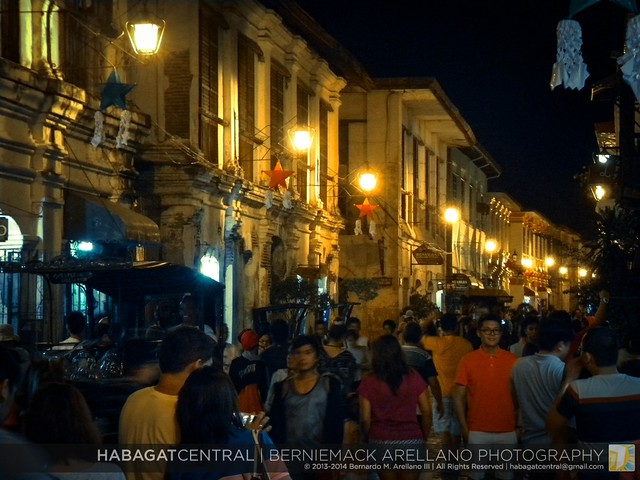
Late at night, but still the heritage village was full of people!
That afternoon, di mahulugan ng karayom ang Crisologo!
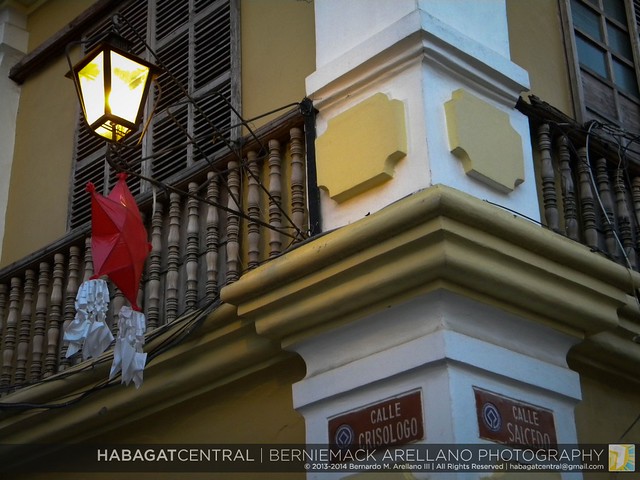
Christmas is in Crisologo
It seems like Metro Manila mall-goers that Christmas had enough of retail and went north and spend their money helping the local economy of the Ilocanos.
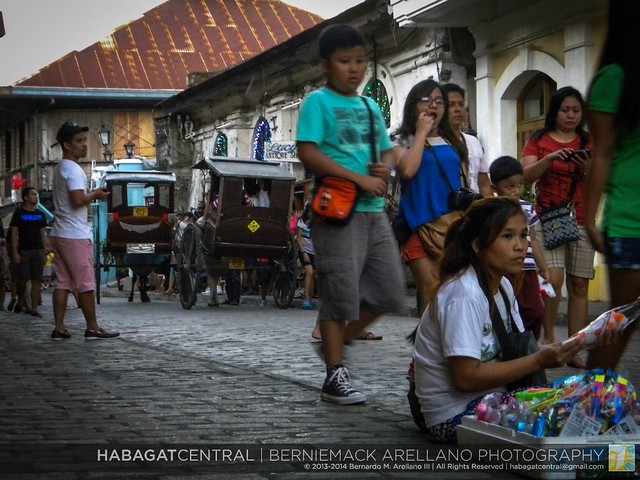
The local economy was thriving with the tourists coming in, from souvenir shops, to hotels, to calesa drivers, and even sidewalk peddlers.
“Tourism is what brings livelihood to Vigan,” a local official said during Heritage Summit in 2014.
True. Revenues from hotels, restaurants, souvenir shops—it all has a trickling effect to the people of Vigan. This Christmas though—to the point of having no vacancies in hotels, restaurants filled, and more selfie sticks. We had a hard time looking for somewhere to stay that day since most of the hotels and even pension houses were filled till New Year’s Day! Ay apo!
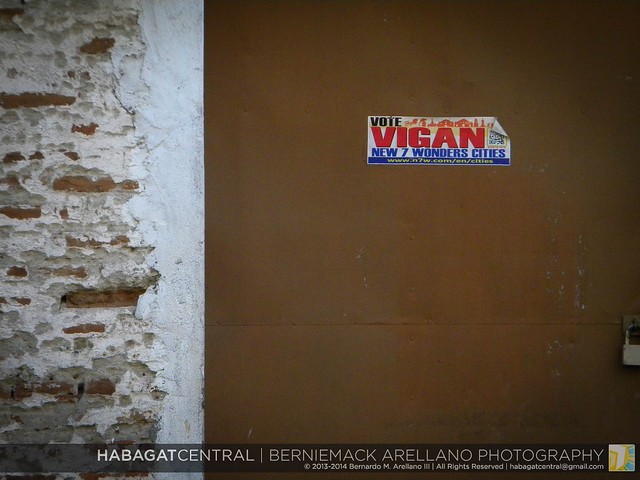
One of the reasons why people came here in Vigan…in droves.
“We’ve never seen Vigan so full of people before,” said a museum director.
For Better or For Worse
Vigan is a true testimony that not anything old should be thrown away—or at least demolished. Unlike some cities in the country where malls dominate the scene, this city provided livelihood and leisure to its locals, while building a great cultural character that is uniquely Bigueno.
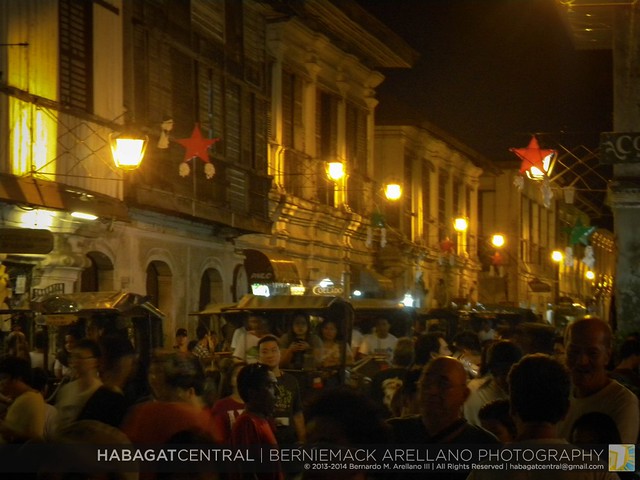
Late at night and the calesas are having a hard time making through Calle Crisologo
Though the locals reaped the benefits from the surge of tourists coming over to their hometown and appreciate its beauty, the question lingered whether Vigan can sustain such amount of tourism that it wouldn’t risk losing its laidback charm and culture to commercialism, rapid urbanization, and runaway tourism.
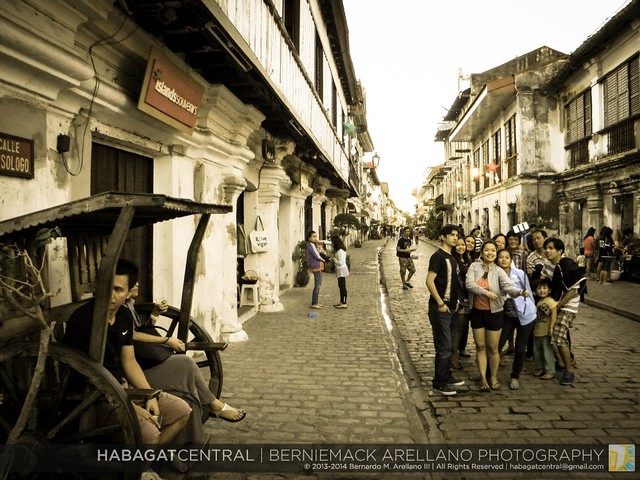
The era of selfie sticks. It is only early in the morning when you can get a decent shot of Calle Crisologo without the people.
Some people slept on cars after futile attempts to look for somewhere to sleep. Restaurants were overcrowded—hence the long queues and not so remarkable service and food. The traffic situation was far worse within the downtown area and the surrounding streets. Some locals were even complaining on the rise of food prices. And worse, you couldn’t take a decent photo of the heritage village’s houses without poking selfie sticks and the crowd.
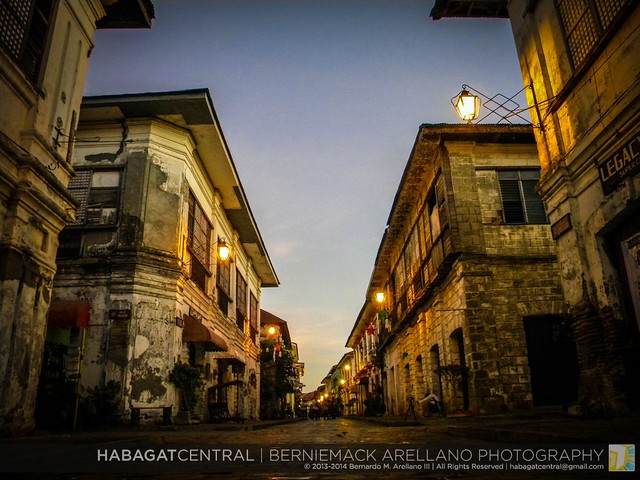
It was quarter to 6 in the morning. It is the only time that we saw Calle Crisologo with few people. But as early as this, people are starting to come and take advantage of the crowd-less tourist center.
These are just some of the new challenges that Vigan is facing with its newfound fame. However, it is not too late for the heritage city to take control of the growing tourism industry and move on towards a more sustainable development. If they have taken care of the centuries-old homes, complied with the strict measures of being a UNESCO World Heritage Site, and fought odds with preserving the taoid of their ancestors, then they too can face these new trials with steadfast stance—just like the Silangs.
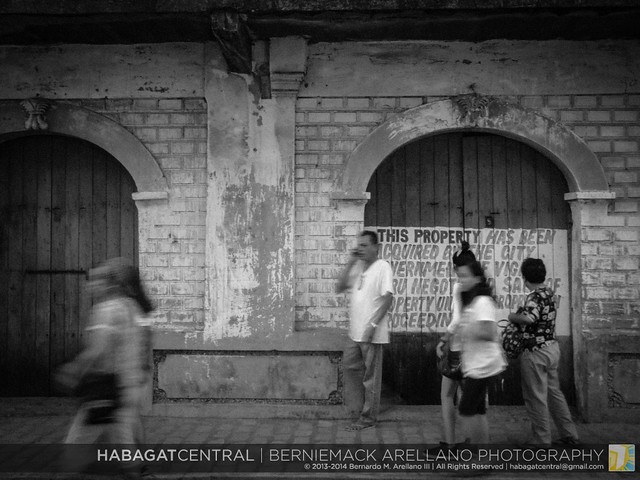
Ilocanos up for the new challenge brought by tourism and development.
What are your thoughts on Vigan’s surge of tourists the previous Christmas season?
(To be continued…)
Like more photos of the heritage site? More photos of Vigan at HabagatCentral Flickr!