
Talakudong Festival: Overlooked Small City Fiesta, Big Punch Party!
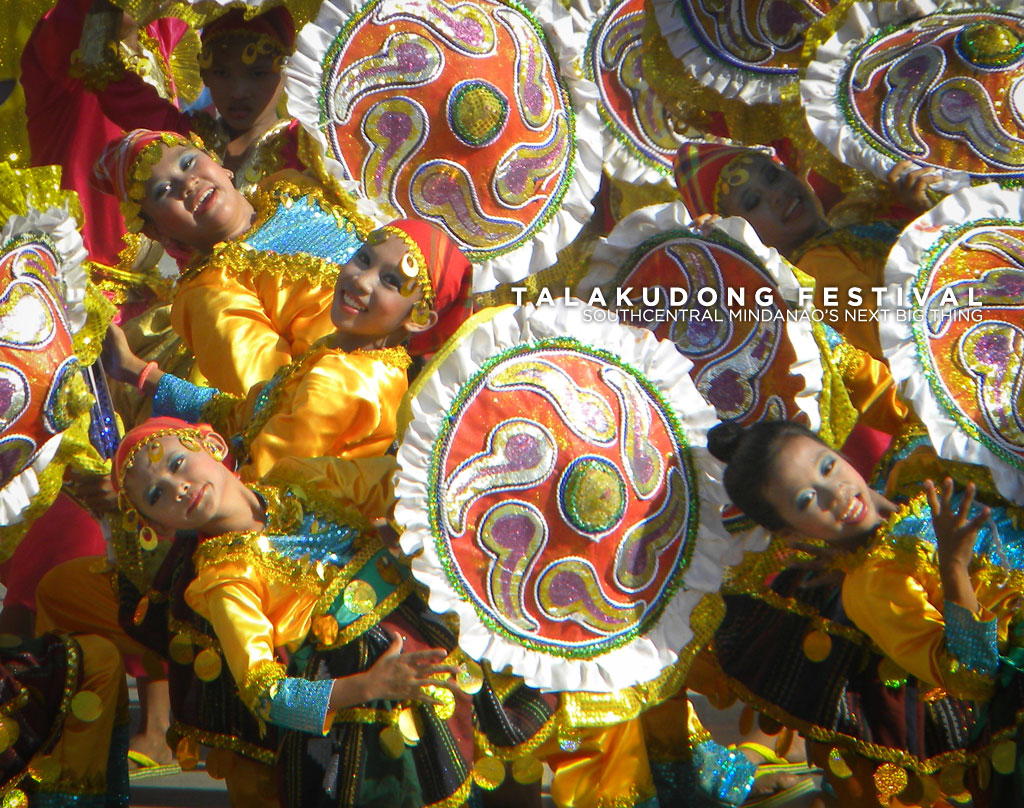
It has been years since we have been travelling for festivals around the country. Each of these has their distinct signature moves, dances, and musicality. In central Mindanao, the crossroad city of Tacurong City in the Province of Sultan Kudarat, also has its own festival celebrating its cityhood—Talakudong Festival.
Despite it being a lesser-known festival, and often overlooked in the “national schedule of events,” Talakudong offers some big punch for being unassumingly good! The colourful parade of five contingents graced the dusty yet wide streets, giving a burst of life from their costumes, to their cheers, and to that deep drum and kulintangan music that marks that this is a Mindanaoan feast!
Of Hats, Historical, Mythical, and Party-Central Mindanao style!
Talakudong is a mix-match of historical, cultural, and even mythical.
The Anatomy of Talakudong Festival Ritual. The three major peoples of the city, the historic and symbolic exchange, and the mythical kudong hat.
The street dance and showdowns depict the founding of Tacurong City with a symbolic exchange ritual of the Christian Mayor of Tacurong and the Muslim Chief of Buluan (the city’s mother town, now in Maguindanao Province). The former gives a plough to the latter, while the Buluan chief gives a kupya hat. With the exchange comes a celebration of dancers, from the Moro Singkilan, to the Ilonggo binanog dance (Ilonggos form the majority of the populace of Tacurong nowadays), and the Ilokano sayaw sa bangko—depicting the three major peoples of the city.
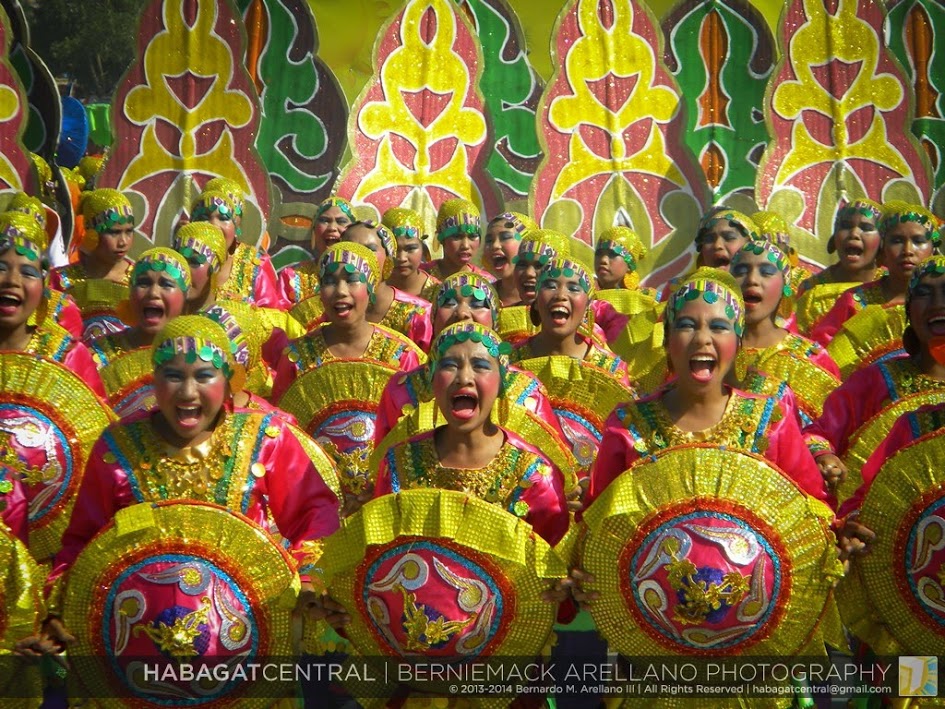
Scream and shout!
In one part of the dance rituals is the kudong hat, which is said to have been the origin of the name of the city. It plays a vital role in the street dance showdowns as different contingents showcase their hats in such fashionable, colourful way, and even make things all as one.
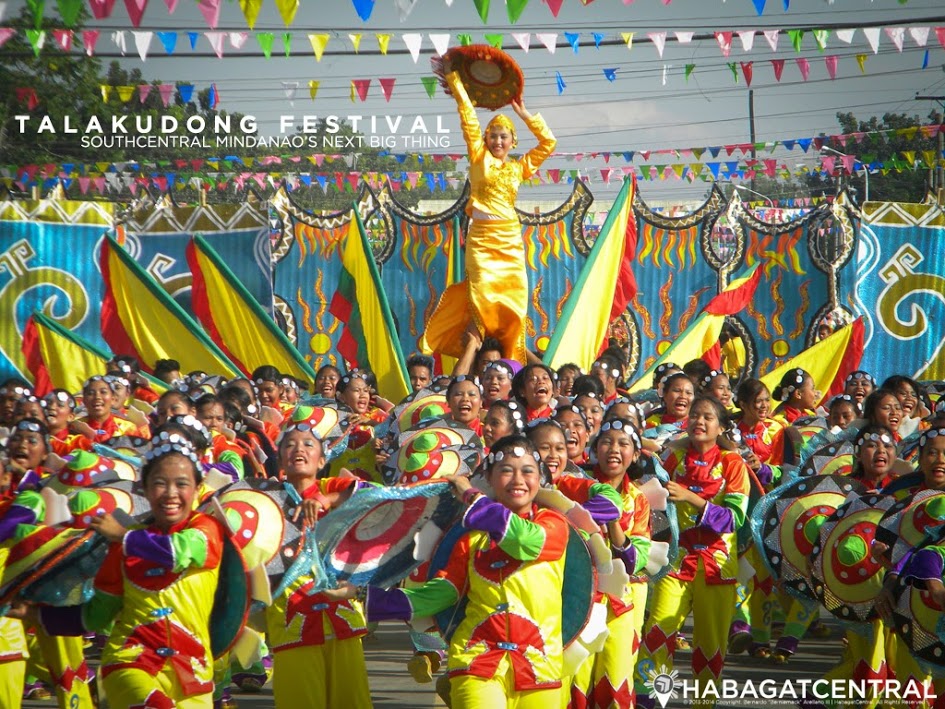
Celebration!
Talakudong Festival is held often on the 18th of September, the cityhood anniversary. Tacurong has been a city since 2000, but it was established as a separate town from Buluan in 1951.
Not Your Average Mindanao Street-Dance Festival!
While it starts a week before with activities such as beauty pageants, trade fair, and other activities—the last day is the highlight of the feast, with dancing on the streets to perk up the mood with the feast of vibrant colors and agungs. Later in the morning, performance level na with their field demonstration near the City Hall grounds.
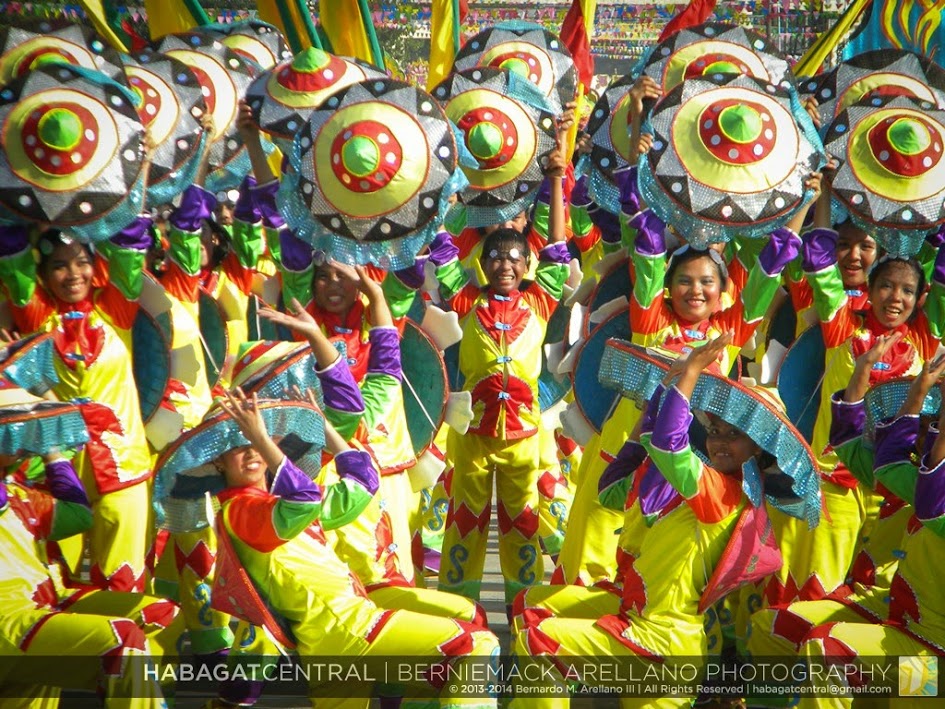
The mythical hats called “kudong” are the centerpiece of the festivities. It was believed that the name Tacurong came here.
You may think, “Nah, this is another festival like any other festivals in Mindanao!” However, what we saw in the 2014 edition was not mediocrity or generic—but stunning performances that marked the festival’s uniqueness.
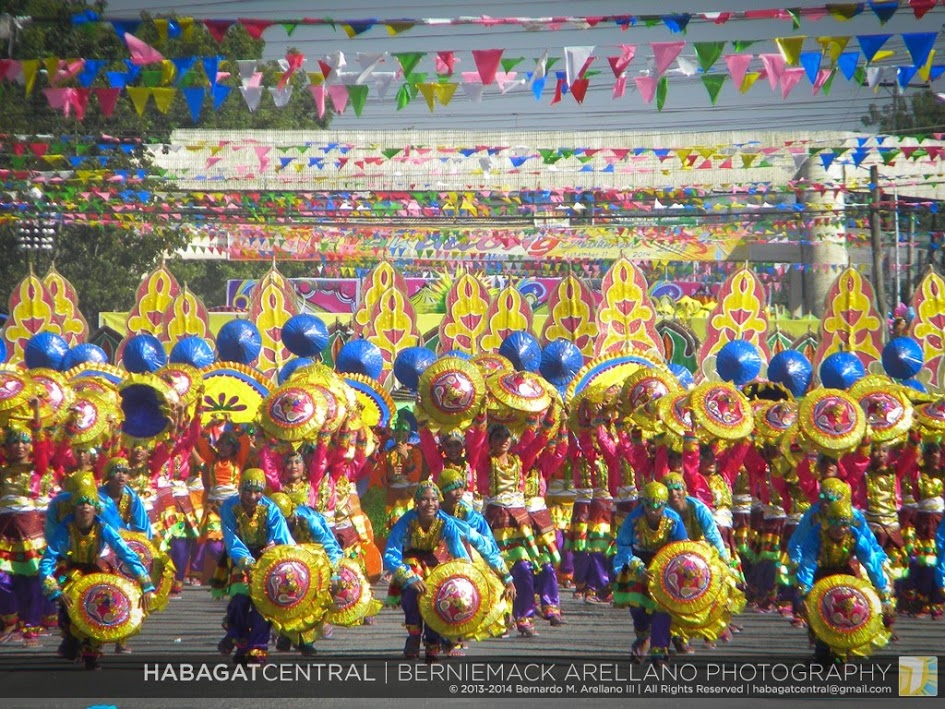
Parade at the streets
The gala of vibrant colors, playful hats, cheerful disposition, and depicting that despite our cultural differences, the positive message of hope, unity, and peace were evident in the children’s performances.
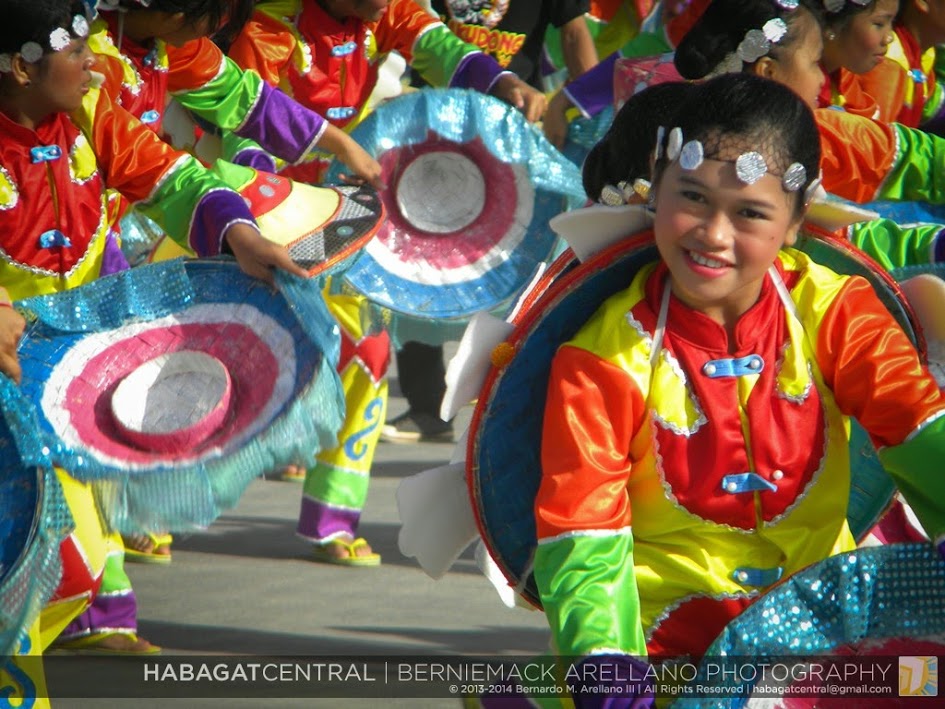
Smile!
We were honoured to have been part of the judging committee, and also it was our first time witnessing this event.
A colleague of ours from the National Commission for the Culture and the Arts, who are veterans of judging festivals, told us, “Polish these a bit and this can compete in the Aliwan Fiesta or Kadayawan. The kids have such a strong impact in their presentation!”
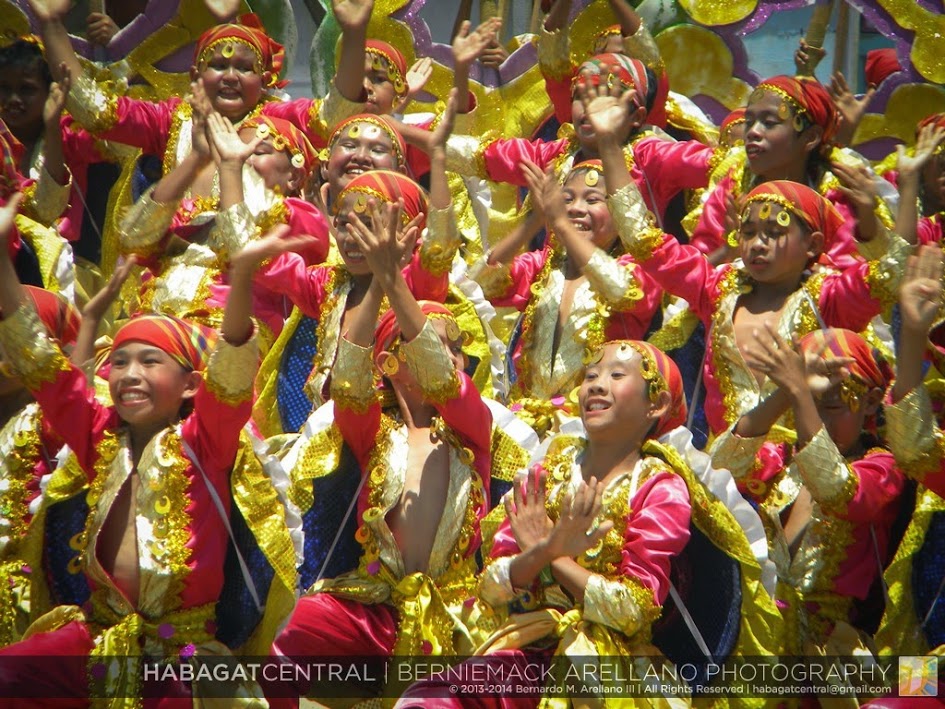
Praise!!!
The presentations were so “beyond-the-expectations” that there was even a tie for the top two contingents! It just demonstrates the sheer talent that the Tacurongnon children have in performing their cultural diversity through dance and music. It was hard for us to choose!
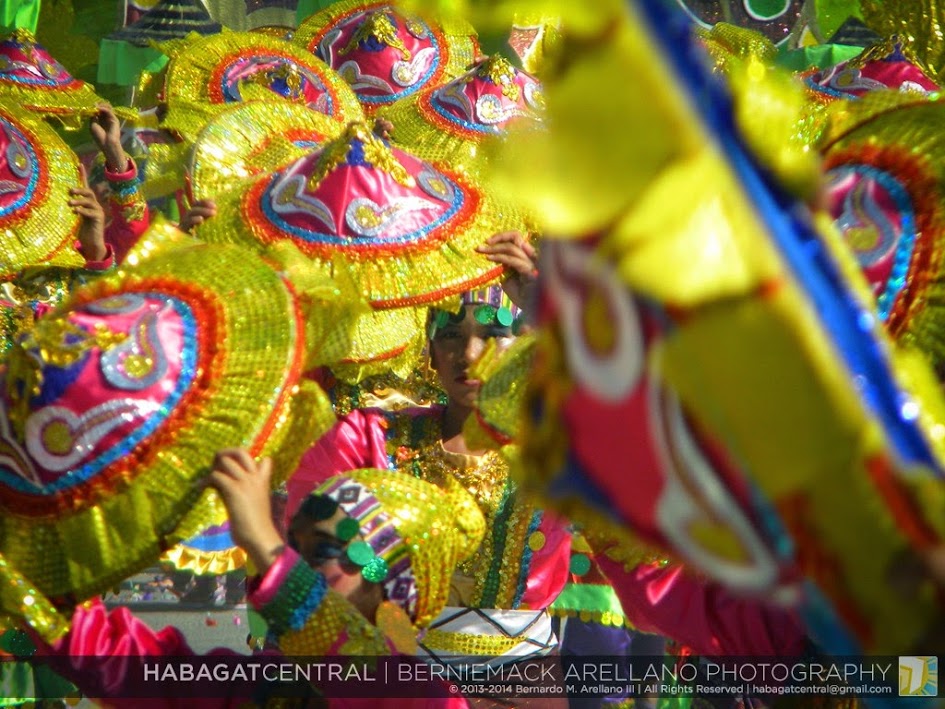
Celebration of colours…and hats!
One particular group caught our attention for using the kulintangan music for most of its performance—something that we have been looking for a Mindanaoan festival. While the others have been influenced thoroughly by the fast-paced drum beats of Iloilo’s Dinagyang, and the high-pitched bugle of Cebu’s Sinulog on Mindanaoan feasts, Talakudong took a step further in refining and showing the true Mindanaoan Bangsamoro musicality with utilizing the kulintang and the agung.
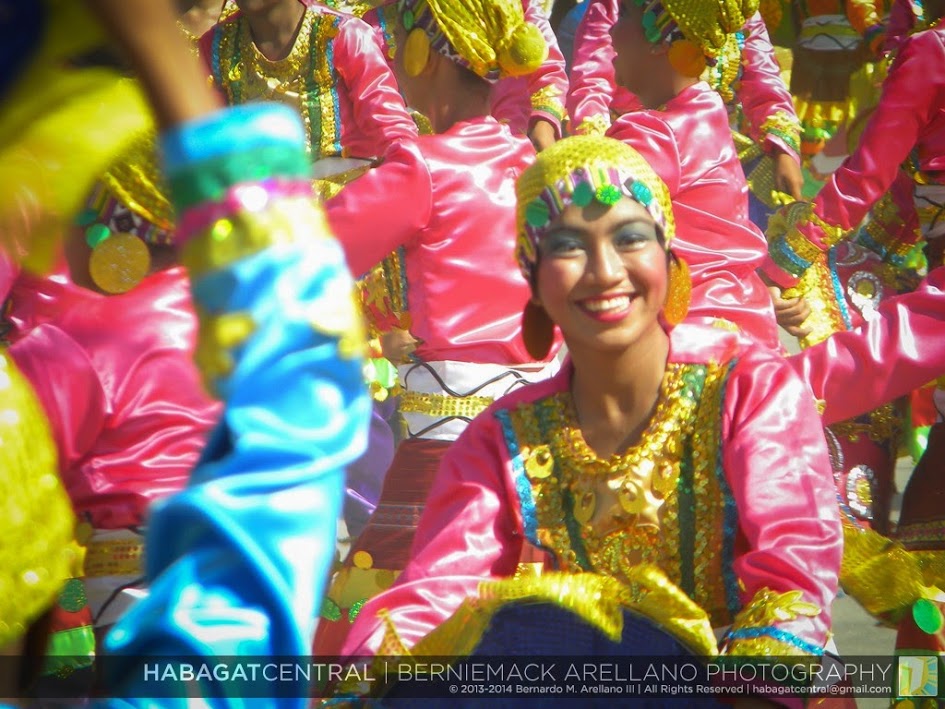
More reasons to smile
It was a fully-charged morning for us. The costumes were eye-candies, the performances were stunning, and the music was simply unique and hypnotic. Two thumbs up to Talakudong Festival—a fiesta often overlooked, but should never be underestimated!
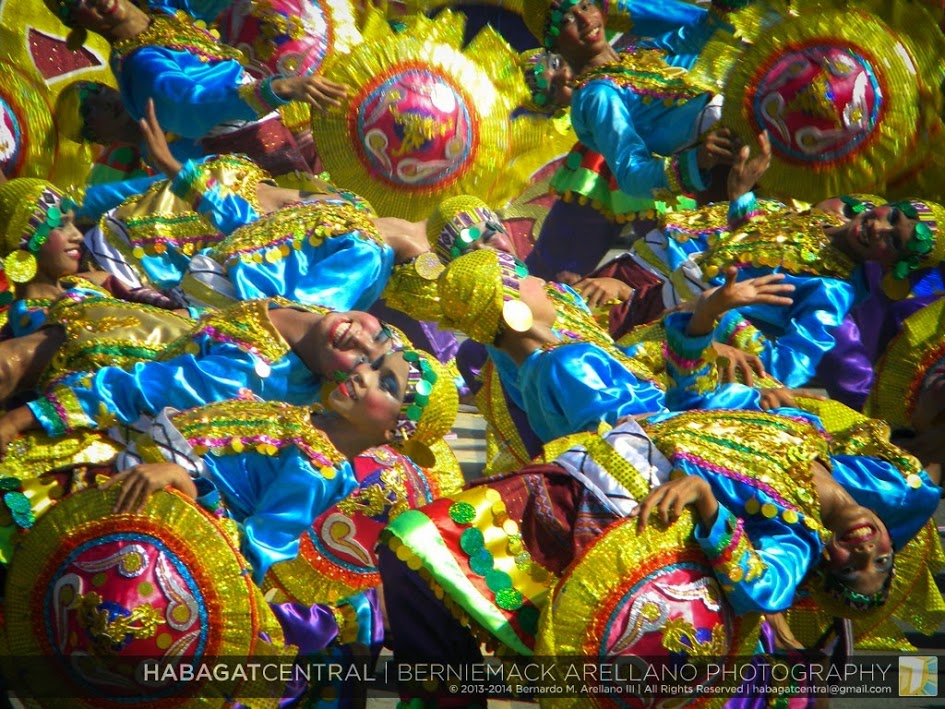
So much for Pilita Corales influence! Haha!
If you’re a festival aficionado, you better come here next year! The 15th anniversary edition may be more bongga!
How to get to Tacurong City?
- The easiest way to Tacurong City from Manila is to fly to General Santos City. From there, it will only take you two hours by bus. There are “direct trips “ to Tacurong, or you may opt for a stop-over in Marbel (Koronadal City) then take a bus to Tacurong City.
- While GenSan is the nearest, most flights to Manila are from Davao City. There are buses and vans bound for Tacurong City. The trip will take you around 3-4 hours via Davao Del Sur and Makilala in Cotabato Province.
- The last option, which is often not recommended but for the adventurous-at-heart, is through Cotabato City. There are buses and vans (near Tamontaka District) bound for General Santos City or Tacurong City. It is a two-hour ride through the heart of Maguindanao Province, passing by Shariff Aguak town. (Before taking this option, please check security news first)
Our special thanks to Mayor Lina Montilla of Tacurong City for giving us an opportunity to witness Talakudong for the first time, and the realization of my dream of sisterhood between Iloilo and Tacurong—two of my “hometowns,” To Nang Emelie and Councilor Bogs Jamorabon for assisting us all throughout, bisan wala na sang boses, hehe!, To my old colleagues and schoolmates Miss Leila and Nong Allan, sa mga paryente ko das a Tacurong (kadamu imention, haha!), and to my travel buddies Olan of Travel Teller, Ida of Choose Philippines, and Bernard of EZ Maps.
Till next year!