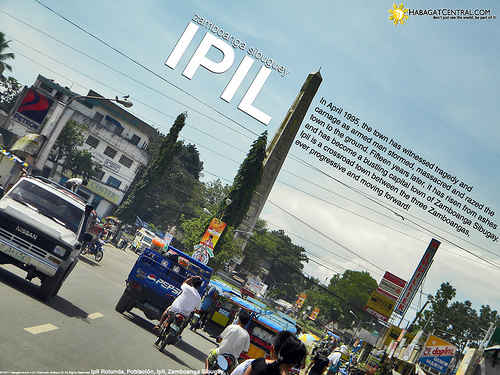
It was an unplanned trip and my first time visiting this side of Zamboanga Peninsula (Zampen). It was my first time to step in Asia’s Latin City, Zamboanga City. However, I wasn’t also expecting that I’ll be going all the way northeast of the city with my dad, to the new province of Zamboanga Sibuguey, where he is working right now—and to its capital town that became a national headlines more than 15 years ago—Ipil.
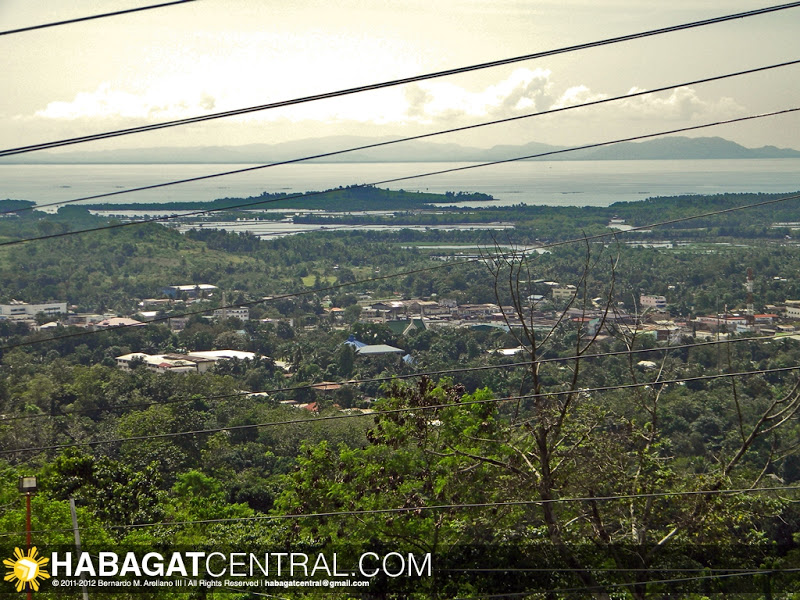
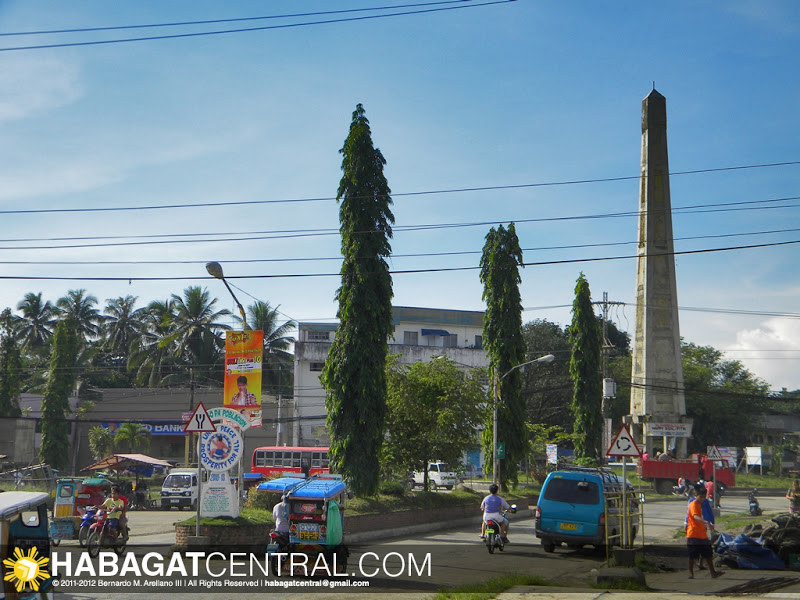
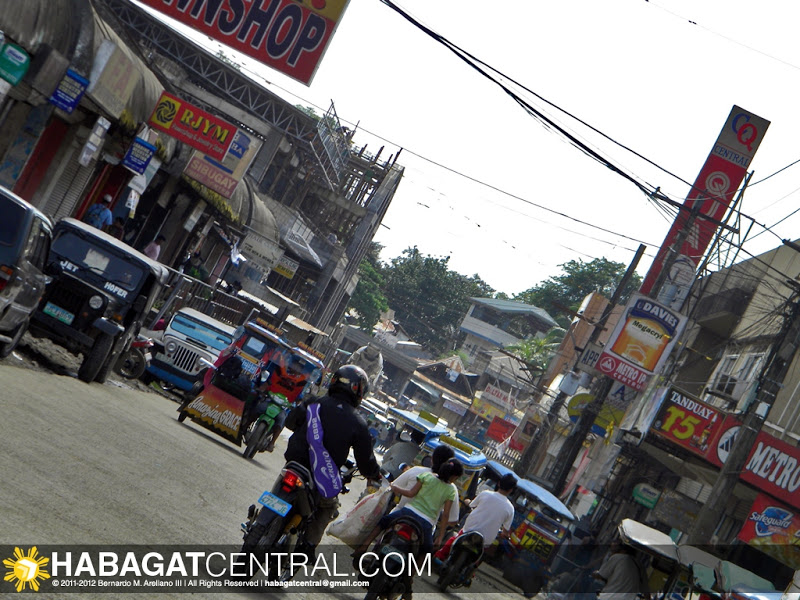
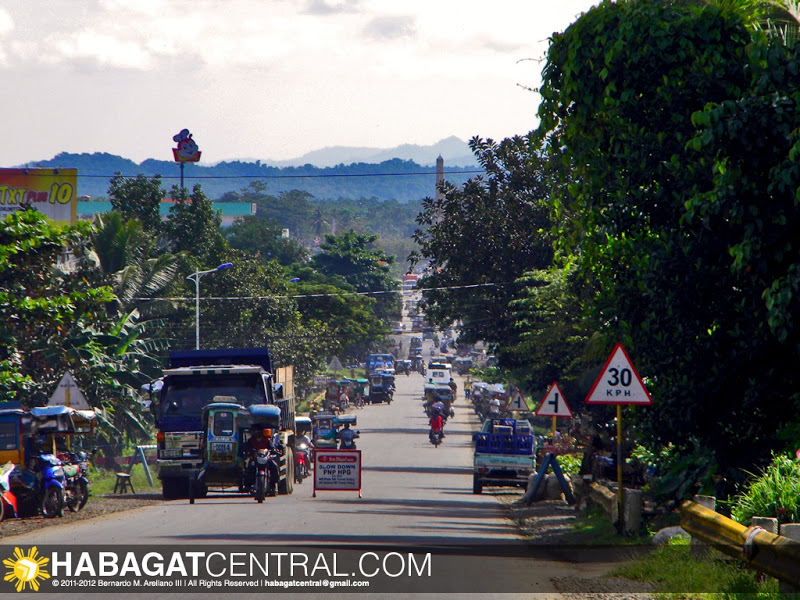
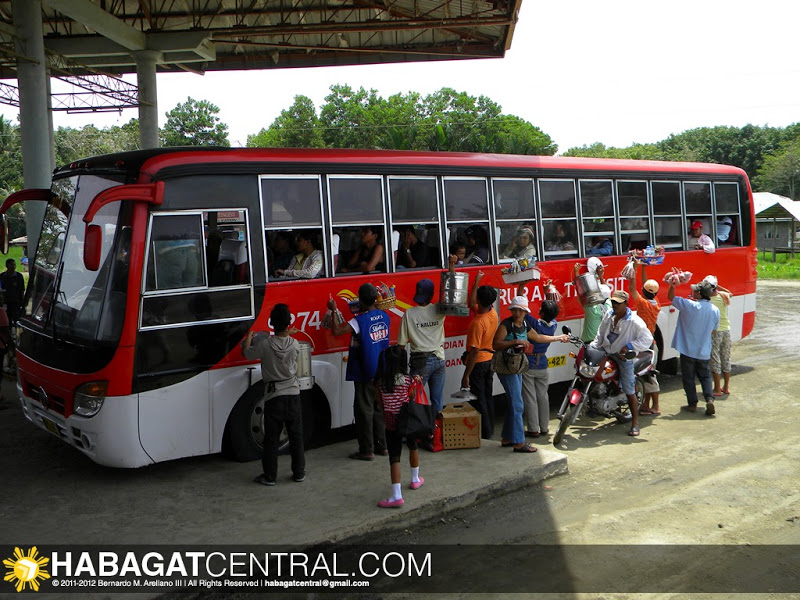
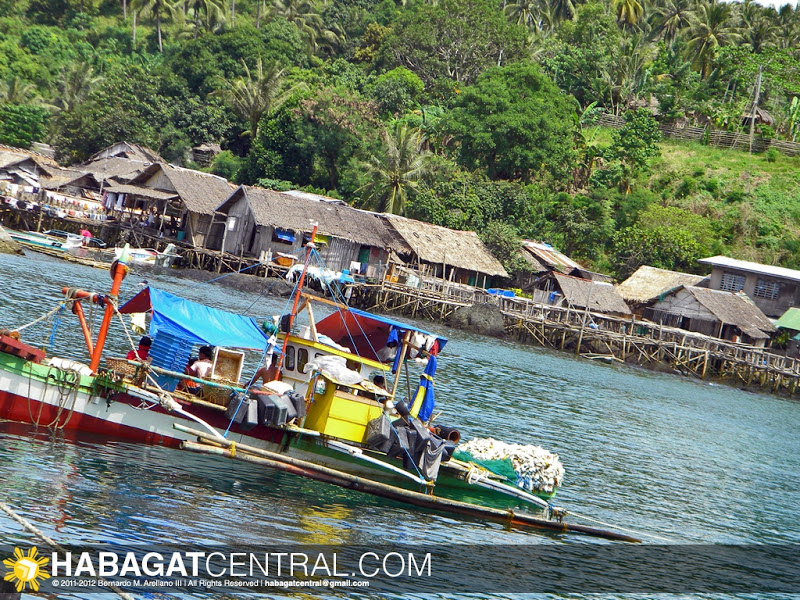
The town of Ipil is situated in the middle of Zamboanga Peninsula. A crossroad town between three major cities of the region: Ciudad Zamboanga to the west, Pagadian City of Zamboanga del Sur to the east, Dipolog City of Zamboanga del Norte to its north, Ipil has more than 60,000 residents and is the capital of the new province of Zamboanga Sibugay. Majority of the residents here are of Christian-Catholic groups and Bisaya is the spoken language. The town center is nestled in rolling hills, a few kilometers away from the shores of Moro Gulf. Now one of the most progressive towns in the Zamboanga Peninsula region, the bustling town with its streets full of tricycles and buses passing by has risen from the ashes—literally. In its progressive image that it is projecting now, I couldn’t believe that Ipil was razed to the ground and was almost erased from the maps. I can still remember the town when it made news on national TV. My mom, being a Zamboangueña herself, was horrified by the turn of the events.
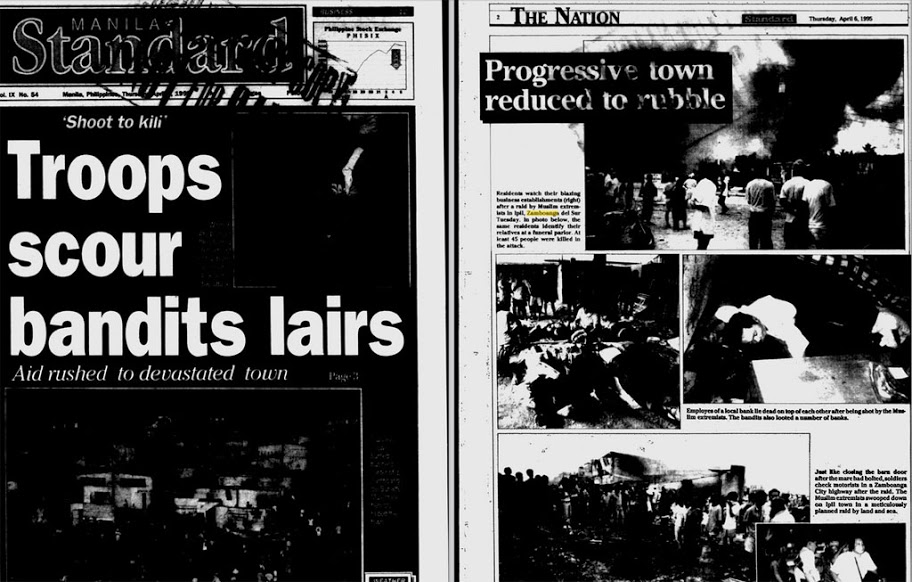
It was noon time on the 4th of April, 1995. As this once laid back town was starting to take a lunch break, armed men from both land and the sea invaded the town. These armed men, reported to be the terrorist group Abu Sayyaff, went on a shooting spree all across the Ipil’s commercial district, killing anyone who was in their path. There was mass looting, killing, and chaos. The rampage was merciless; the police force was overwhelmed and was extinguished. By the time the bandits were about to leave the wrecked town, they’ve razed the public market and the rest of the commercial center to the ground. The fire lasted for hours until twilight. Corpses were on top of each other while others have been charred. In total, more than 50 people were dead, hundreds injured, a lot have lost their businesses but the pain of this event have lingered.
A New York Times article reported the said incident:
Witnesses said the attack began about noon when more than 200 Muslim rebels in military-style uniforms arrived by boat and bus and raided four of the city’s seven banks simultaneously. They also looted at least one department store before setting buildings on fire, apparently in hopes that the smoke would blind the arriving squadrons of soldiers.
The following days after that tragic incident, the Philippine government made out an all out pursuit and shoot-to-kill order for the bandits who ransacked and spilled blood in Ipil. The whole nation was shocked by the degree of savagery by the Abu Sayyaff, but the pain was worse felt by the Ipileños themselves. It was said to be more devastating than the Burning of Jolo during the Civil War years of the 1970s. The town was desolated and dark. There was sorrow, but there was more anger.
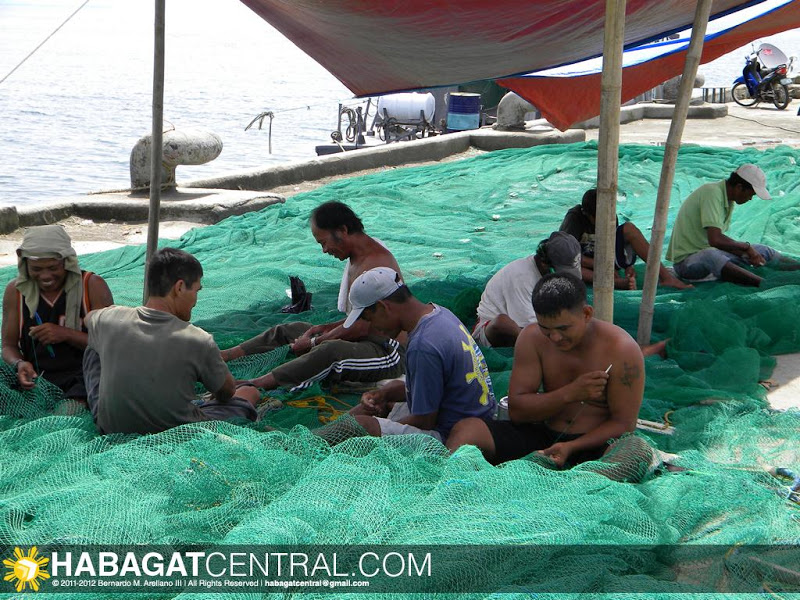
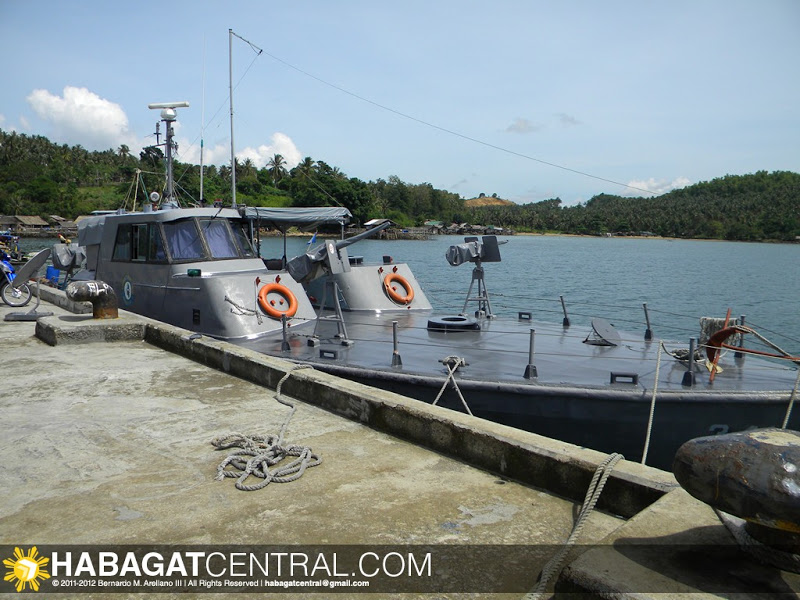
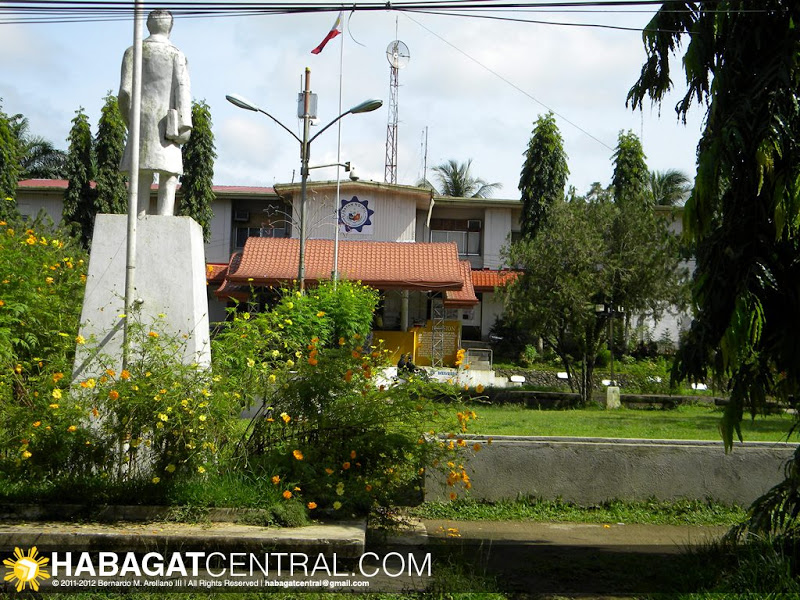
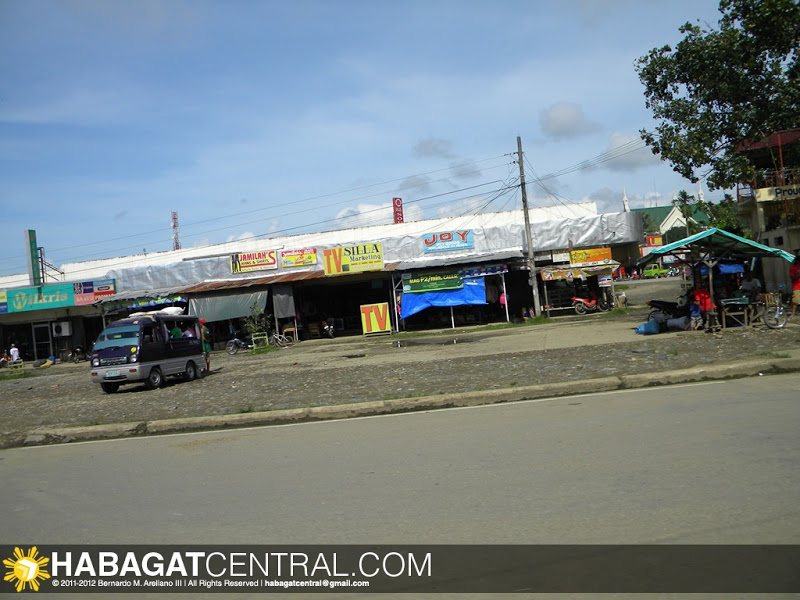
More than 15 years later, the town has recovered from the tragic event. The public market was rebuilt, banks reopened, security was beefed up and infrastructure projects and new investors came in pouring in. In 2000, when the province of Zamboanga Sibugay was established and separated from its mother province Zamboanga Del Sur, Ipil was chosen to be its capital because of its strategic location and infrastructures that can support provincial bureaucracy. The once laid-back and seemingly desolate town was moving on full gear.
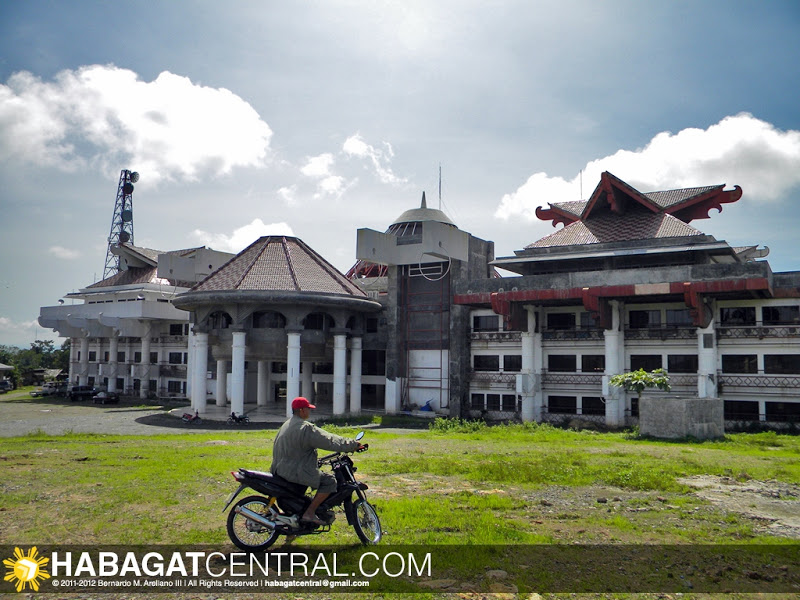
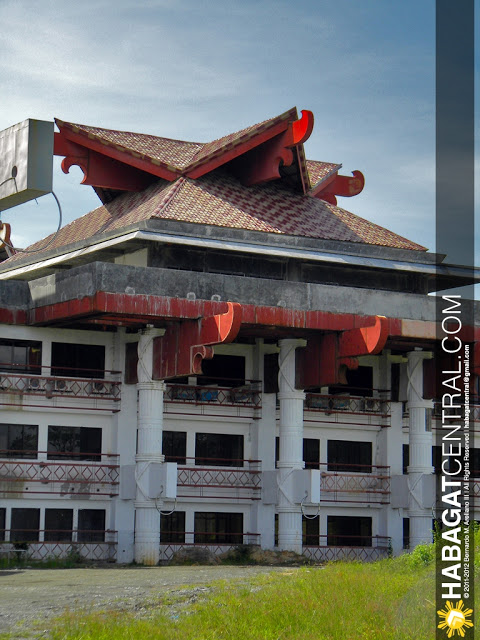
Ipil has indeed recovered and moved on. A testimony of the Filipino’s will to survive and the will to be progressive, the Ipileños have survived the ordeal and thus destined into greatness.
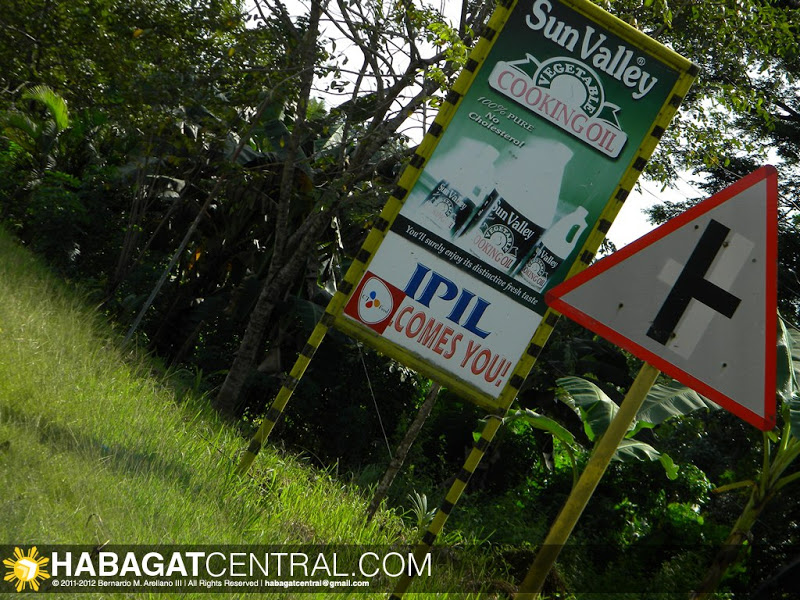
More photos of Ipil Zamboanga Sibugay here.
Here is Ipil in Zamboanga Sibugay province, Philippines:
View Larger Map


