After the event in Bacolor, Pampanga, we had a good opportunity to have a Kapampangan breakfast. But this is no ordinary carenderia or fastfood Kapampangan food trip. We were treated to one of Philippines’ well-known and one of the respected authorities in the eloquent and exotic Kapampangan cuisine. We head to Angeles City, Pampanga, some almost 20 kilometers away north of Bacolor to meet Chef Claude Tayag in his lair at Bale Dutung!
Food Trip
Keso de Gallo: 9 Mornings with Kraft Eden Cheese
BACOLOR, Pampanga — Christmas is the time of the year for giving, sharing and togetherness. As part of the tradition we Filipinos do during Christmas, we celebrate the birth of the Redeemer by observing nine mornings…nine days of waking up early and hearing mass we know as misa de gallo or simbang gabi. Christmas isn’t complete without a sumptuous meal served, may it be simple or extravagant. This is how Filipinos celebrate life. Yet 2009 was a tough year for most of us Pinoys. A lot of us have felt the brunt of tragedies and catastrophes. But no matter how tough it is Filipinos find hope in Christmas. (more…)
Manna from Camiguin: Pastel
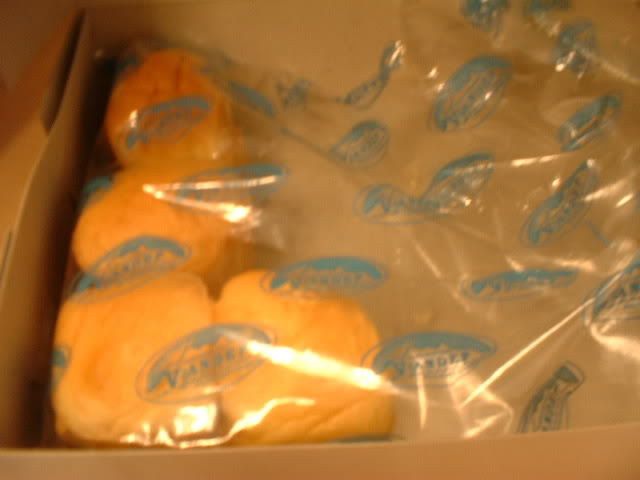
Ask anyone in my folks in the office who likes to have a taste of manna from CDO (short for Cagayan De Oro City) or the pride of Camiguin, and everyone agrees it’s the “pastel”. Nope, that’s not one kind of crayons you use when you’re still elementary, and it’s not about the color. It’s a delicacy from heaven.
Pastel, is a sweet delicacy from Camiguin Island, known for paradise in Northern Mindanao. These are soft, fragrant and sweet buns filled with the original yema (made mostly of milk, eggs and sugar) or any other flavors that gives this delicacy that makes the food melts in your mouth.
Boxes of 6 are sold at stores in Camiguin towns or at the shopping centers of Cagayan de Oro for about P50 and Boxes for 12 at around P120. It’s a hit pasalubong for anyone craving for sweets and anything Camiguin or CdeO (of course don’t forget the lanzones and the pineapple).
Namit! A Glimpse of Ilonggo Cooking and Culinary Traditions
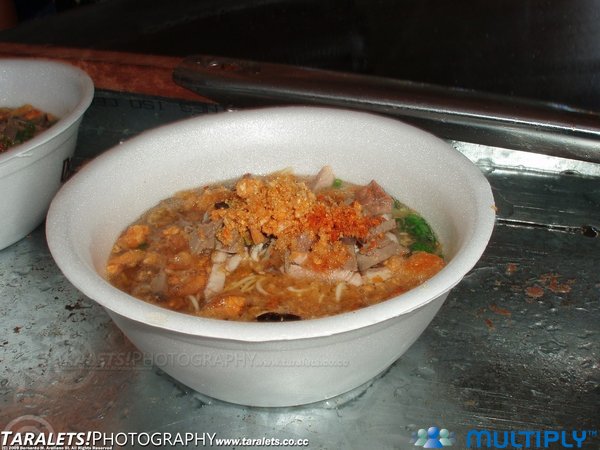
Ilonggo cuisine is one of the most famous in the islands. Known for the La Paz Batchoy, Pancit Molo, Chicken Inasal and more, the delicacies of the people of the gentle folks of the Western Visayan region of the Philippines gives a glimpse on its intricate culture and civilization.
But again, Ilonggo cuisine doesn’t end with the institutionalized La Paz Batchoy that many people know about through popular instant noodle brands. There is more to Ilonggo cuisine that meets the eye.
Here’s a short feature documentary produced by the City Government of Iloilo together with ON Creative Productions:
Part 1:
Part 2:
Dried Fish Pitstop: Damortis, La Union

If its dried fish, its always associated with Taboan Market of Cebu. Now here’s the catch, the northerners have one and its conveniently located just beside Ilocandia’s major thoroughfare, MacArthur Highway.
Located just beside the town proper of Santo Tomas in the province of La Union, about six hours north of Manila, this place reeks of dried fish everywhere…and virtually every corner of Damortis, known throughout Ilocandia as the “dried fish capital market of the north.” (more…)
Mangan Tamu Kamaru! Adobong Crickets of Pampanga

As what they say, Kapampangan cuisine probably is one of best culinary traditions in the country. Ranging the sumptuous feast of Sulipan cooking all the way to exotic foods….
Speaking of exotic, I’ve tasted adobong sawa and tapang usa before. It was good, and they all came from Pampanga. Now I’m really wondering, what’s the taste of that very famous delicacy that Kapampangans are fond of cooking. Nope, not the Ginataang Kuhol or Palaka (frog) but kamaru (a kind of field cricket). (more…)
Larsian: Barbecue Park of Cebu
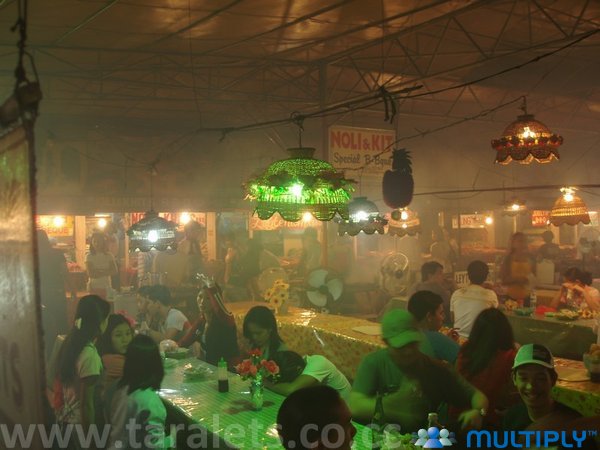
Got a hungry tummy but short on budget in Cebu? Head on to “Larsian.” If you don’t know this, it is located besides Chong Hua Hospital near Fuente Osmena of Cebu City. Very accessible indeed.
Larsian has became an institution in Cebuano consciousness like the Santo Nino itself. It was first just a community of barbecue stand vendors who sell quick meals for the people from the hospitals nearby. It has grown very popular and now enjoying support from the provincial government.
This is one big barbecue park. The air is filled with smoke with the aroma of roasted chicken or meat or fish. (So be sure to bring in your hanky if your allergic or asthmatic).
In the sides of larsian are stalls who sell half-cooked meat (ready to roast) and puso (diamond shaped rice wrapped in coconut leaves). By the time you enter the area, the dispachadoras (dispatchers) will try to convince you to go to their table and stalls. These people are very very eager to attract customers, therefore they may approach you in such agressive way.
In Larsian, barbecue or roasted meat/pork varies from 5 pesos to twelve pesos, chicken thigh for 25 pesos, chicken skin for 12 pesos and more. Puso or rice is sold at six pesos per piece. Prices may vary though but I assure you they are very affordable.
Anyway, you eat here with your hands, just like the ones at Manukan Country in Bacolod City.
So if your tummy is grumbbling and short of budget, just go to Larsian and enjoy.
A Glimpse of Ilonggo Cooking
One of Philippines’ finest cuisine is that of the Ilonggos. This video documentary produced by the City Government of Iloilo, gives food trippers and local and foreign tourist what Ilonggo cooking is all about. From the famed La Paz Batchoy to Tinu-om. Going to Iloilo wouldn’t be complete without eating or bring home a pasalubong.
Click on the Link below:
Strawberry Fields of La Trinidad
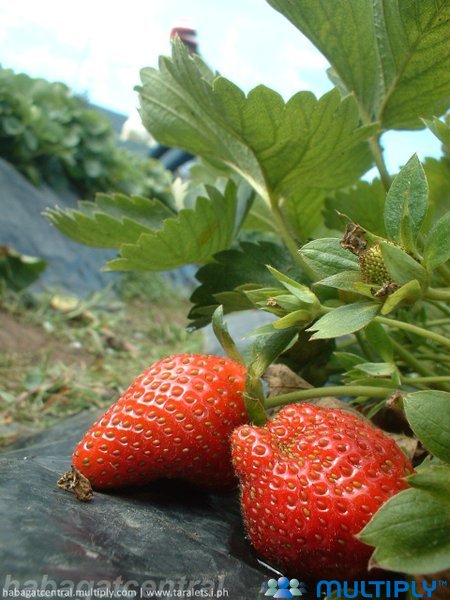
Synonymous to Baguio are the strawberries being sold at the Central Market in downtown. Jams, candies and fresh fruits are being sold here, on a cheap price unlike here in the malls of Manila. But where do they get these luscious temptations of red?
The town of La Trinidad is just 5-10 minutes away from downtown Baguio City. Being the capital of the province of Benguet and part of the urban sprawl of Cordilleras, it stands as the vegetable hub or bagsakan in Filipino. Here, they sell vegetable at farm price to the suppliers who would then sell it to the merchants of Manila and beyond. Veggies here are cheap too.


