We already know about Pampanga’s exquisite yet exotic cuisine, the Ilonggo’s love affair with seafood and broth-based food, and Bicolanos’ penchant for anything chili and coconut milk or gata. However, there is one city in the Philippines that may have been overlooked (or perhaps evaded out of “fear of Mindanao”) when it comes to culinary traditions and tours—Zamboanga City.
Well, most people tend to associate Zamboanga City with its yummy lobster or coconut crab called “curacha” (I confess, I am a fan of it!) and Salsa Alavar, a coconut-based gravy with some secret spices on it, perfect for any seafood meals such as crab, shrimp or yes—the ever present curacha. But there is more to Zamboanga City than just curacha, Alavar’s, and sweet Zambo Rolls. Given its very cosmopolitan heritage, it is indeed a melting pot of cultures. Food here is virtually influenced anywhere from Spanish, American, Chinese, Tausug, Malay and others. The food itself is the mirror of Zamboanga’s mixed concoction of peoples from different parts!
Here are some of those that I’ve tasted when I was in Asia’s Latin City last September.
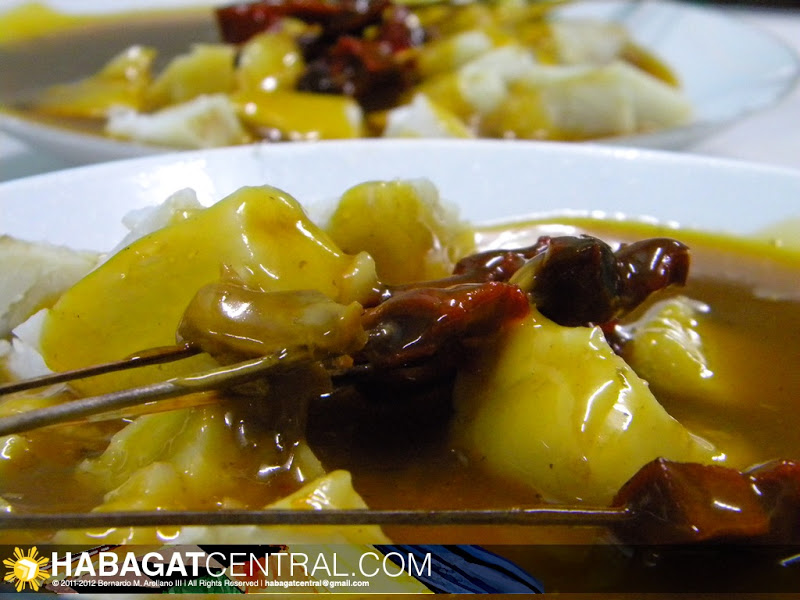
Satti was the first one that caught my attention. First, I thought it was satti of Indians or Zamboanga’s answer to chicken satay of the Malaysians. But it was different. It’s a meal with rice topped with spicy curry sauce and small beef or chicken barbeque on top. Get to know more of this spicy dish on my previous write-up regarding satti by just clicking here.
Good news for Zamboangueños though, I heard that Jimmy’s Satti is somewhere in Fairview in Quezon City!
Tulah Itum
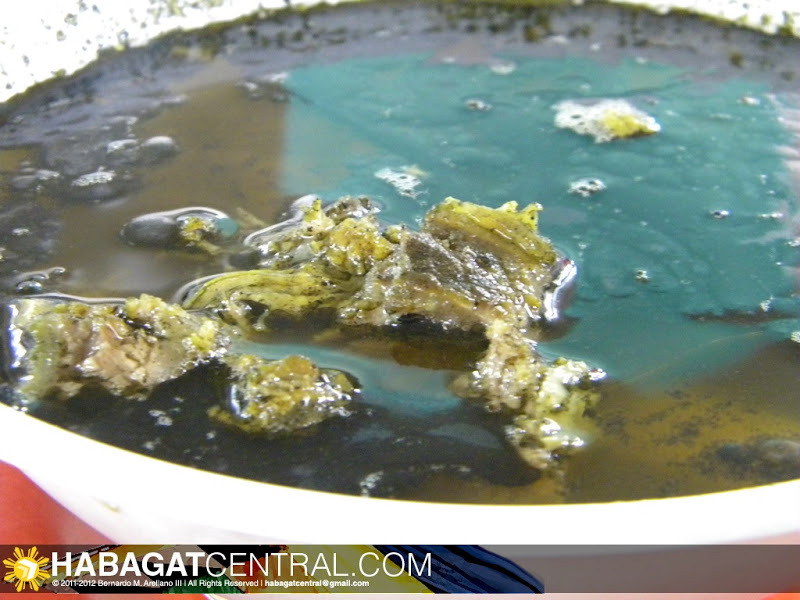
Looks like stagnant imburnal or oil spill in a bowl, but once tasted, it feels like steaming heavenly bliss! Tulah Itum is one Tausug viand or ulam that may rival the Tagalog’s bulalo and Ilonggo’s kansi. It’s basically beef broth soup spiced with luyang dilaw or turmeric then topped with burned/roasted and powdered coconut meat—the ingredient that makes it look black, hence itum in the name.
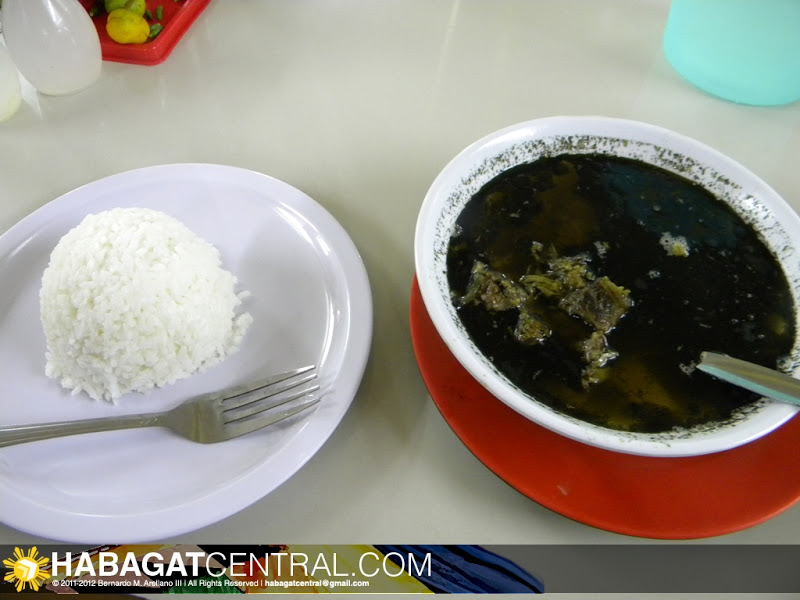
I got to know about this Tausug food when I was in Santa Cruz Island, as my Tausug guide referred me to eat some. I got curious since itum was there—suggesting its black beef soup or something. Curiosity has indeed rewarded me with this soup in which I can place it as one of my favourites.
And because turmeric was the one that gives spice, the soup’s spiciness doesn’t “bite,” like the ones being spiced by chili. It has this deep throat massaging feeling, instead of a burning sensation on your mouth—making it pleasant to feast on, especially on rainy days.
Unfortunately, I forgot the name of the eatery in downtown Zamboanga City, but its somewhere in Climaco Avenue where I got to taste this Tausug food.
Pastil
Nope, not chicken pastel that looks creamy. Nope, not that chicken pastil that we know in Cotabato and Marawi that is wrapped rice topped with chicken on it. This is Zamboangueños answer to empanada!
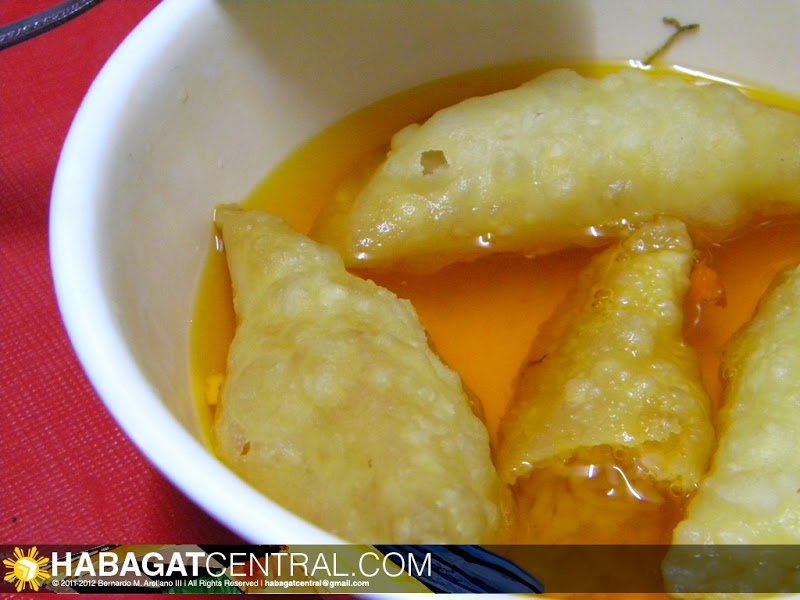
In an eatery beside West Mindanao State University, we ate pastil. At first bite, I was underwhelmed—yes its empanada but why pancit bihon filled it? Then my friend gave me this red vinaigrette soup-sauce that should be poured in to the bowl along with those empanadas. Then voila, the food became alive! The sauce is not fully vinegar but it gives this spicy sweet and meaty taste to the pastil.
According to some locals, pastil is a popular dish of the Moros in this side of Mindanao. Originally, it is filled with togue or mung bean sprouts, given with that sweet-spicy vinaigrette soup-sauce.
That rainy dusk, it filled up our tummy.
Knickerbocker
Sounds foreign isn’t it, but the first time I tasted it was here in Zamboanga. I have no knowledge whether it exists anywhere in Mindanao or in the Philippines, but I have only seen and tasted this wonderful desert that seems so simple yet the mix was just right and soothing.
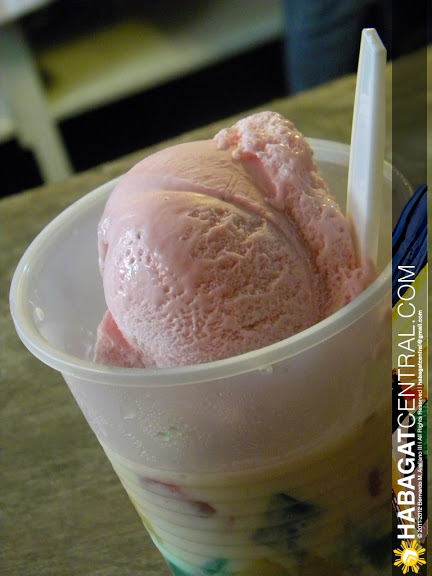
Knickerbocker is a desert filled made with fruits, jelly, shaved ice cream and strawberry ice cream!
Now you’re telling me, it’s pinasosyal na halo-halo? I guess not. It is different from the conventional halo-halo that we are used to here in Luzon and the Visayas.
The fruits: watermelon, mango, pineapple, melon, apple—all fresh mixed with sweet milk and cream, then shaved ice and then shaved ice cream. Instead of carbo-loading, you have something healthy at the same time.
I had my knickerbocker at Paseo del Mar for more or less PhP50 only, but I was craving for more!
These were my first time tastes of Zamboanga’s food for the masses. They may seem so common in Zamboanga, but it is not heard of or popular outside. Even culinary tours were seemingly focused on curacha, zamborolls and Alavars. Let’s look beyond it and have a taste of Zamboanga culinaria—beyond the crab and the desert.


