
Before that fateful morning of October 2013, Maribojoc Church was a pilgrimage site for the devout locals and was a repository of Bohol’s church ceiling masterpieces. The coral stone Diocesan Shrine of San Vicente Ferrer, once stood wars and other calamities that beset the paradise island of Bohol, is no more-for now.
On Easter Sunday of that same year, several months before the earthquake, we had an opportunity to visit the Church of Maribojoc, which is located a few kilometers north of the Bohol’s capital Tagbilaran City.
Founded by the Jesuit friars in the 18th century under the patronage of Santa Cruz, it was transferred to the Recollects upon the Jesuits expulsion from the Philippines. By the mid-19th century, the Recollect friar Fernando Rubio Lucas supervised the construction of the coral stone church which featured a belfry with a clock on it.
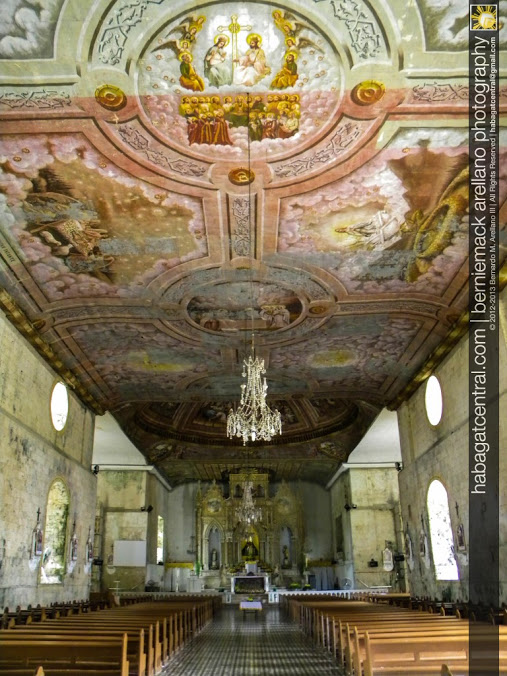
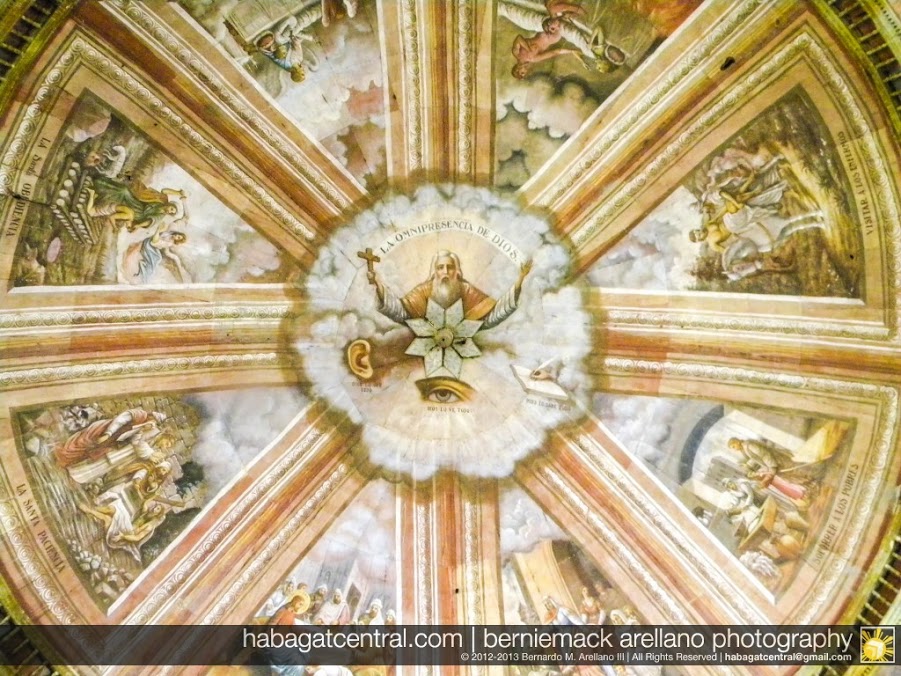
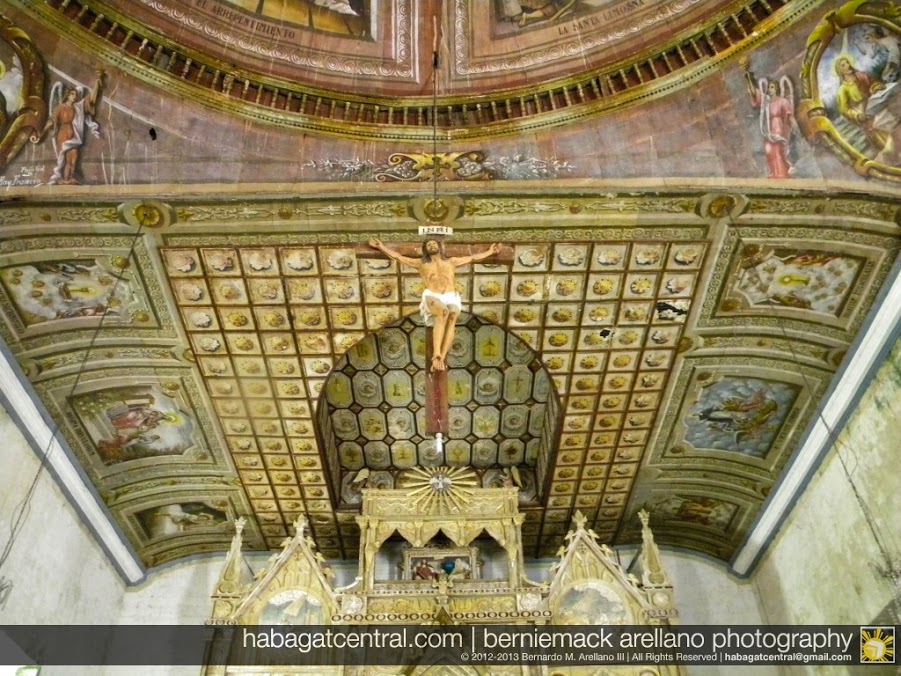
Perhaps, one of Maribojoc’s best assets was the church ceiling paintings by Cebuano artist Ray Francia in the 1930s. The ceiling was adorned with intricate paintings, from Biblical passages to the majesty of the heavens. It was very intricate that, like in Sistine Chapel at the Vatican, you can’t help but look up on the ceiling!
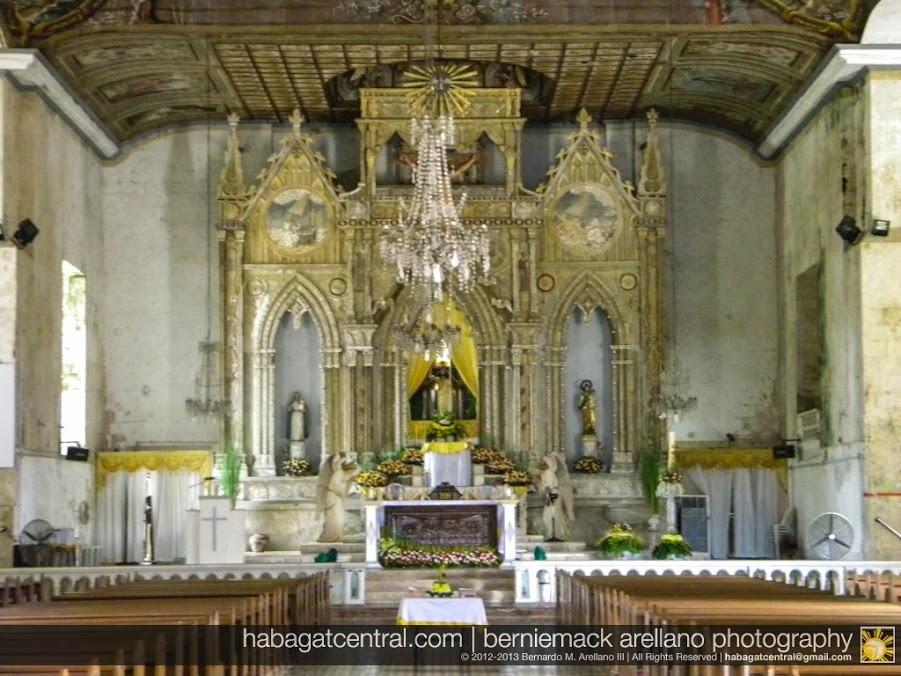
The church escaped the wrath of fire during World War II when the town was burned to ashes.
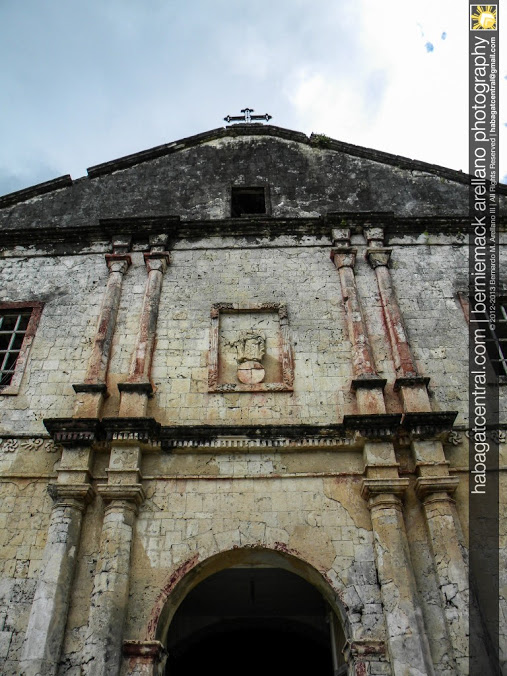
In 2005, it was declared as a Diocesan Shrine of Saint Vincent Ferrer.
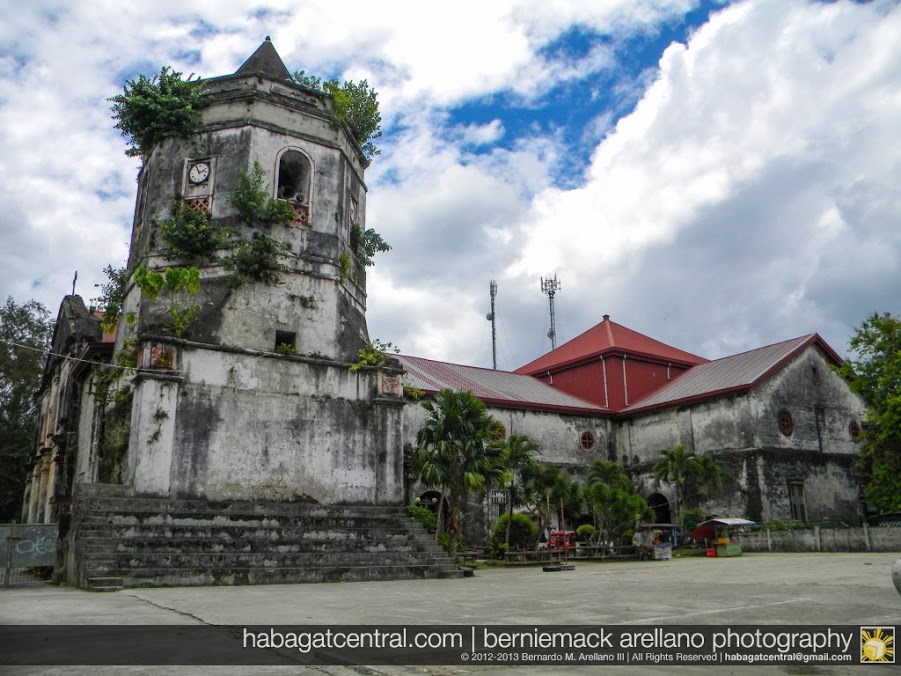
The church, with its simple baroque and no nonsense architecture, was indeed a Bol-anon treasure. At first, you may not have that “wow” factor when you see the church for the first time. However, it changes everything when you get inside it. The ceiling was too good to be true! The dome area was a symbol of omnipresence of the Almighty.
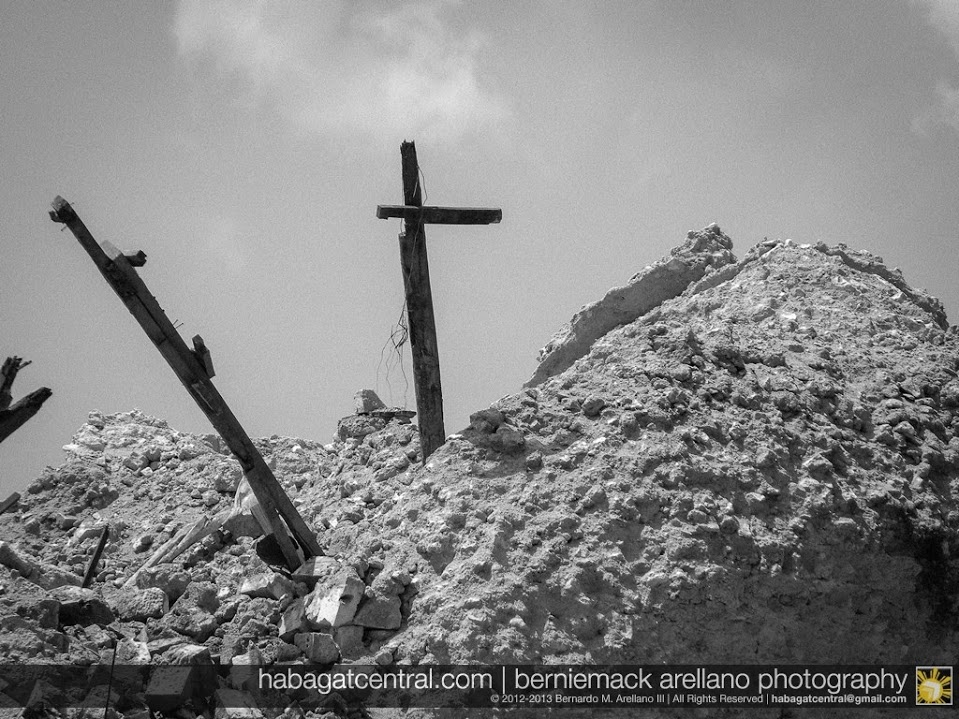
Alas, on the 15th of October. around 8 in the morning, the church collapsed after it the 7.2 magnitude earthquake shook Bohol and Cebu for more than a minute or so. We were shocked and stunned as big churches of northwestern Bohol, like in the town of Loon, seemed to have imploded in its magnitude. Maribojoc Church wasn’t just damaged, it was destroyed-together with the treasured paintings of Francia, buried in a pile of rubble.
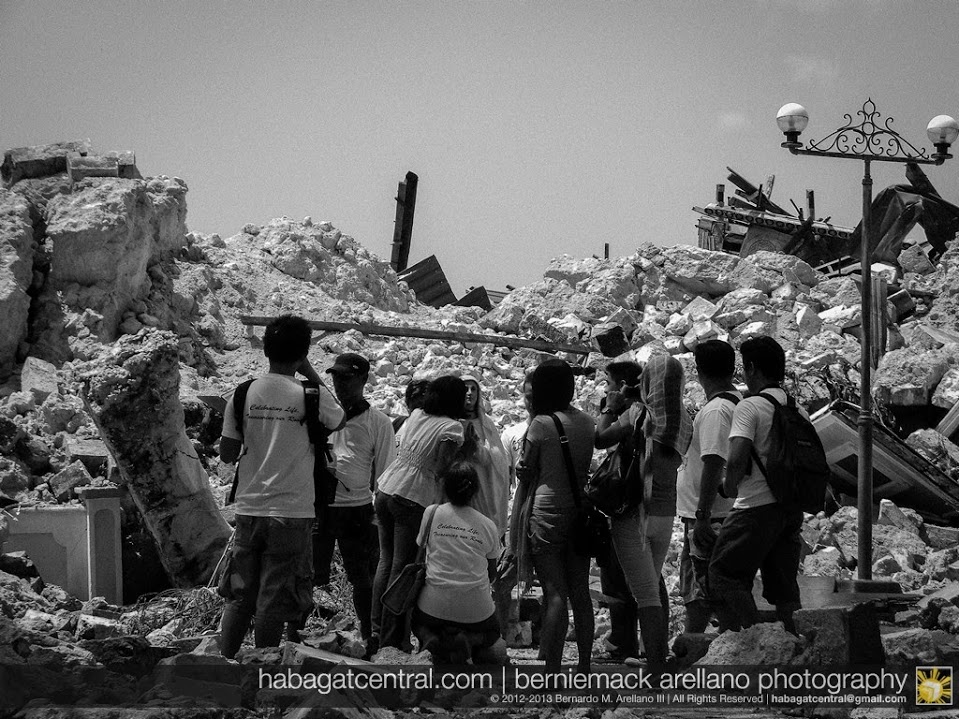
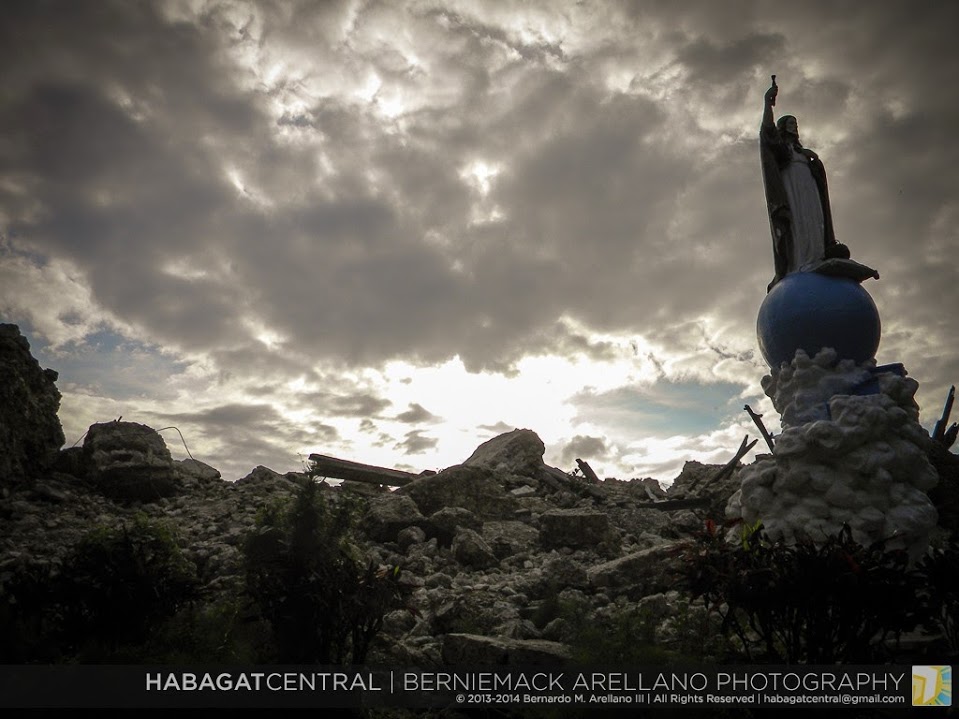
Profoundly, the religious Bol-anons found, among the ruins, a statue of Mary. The devout believed it was a good sign. For some, it was a sign of hope of rebuilding their shattered community and lives.
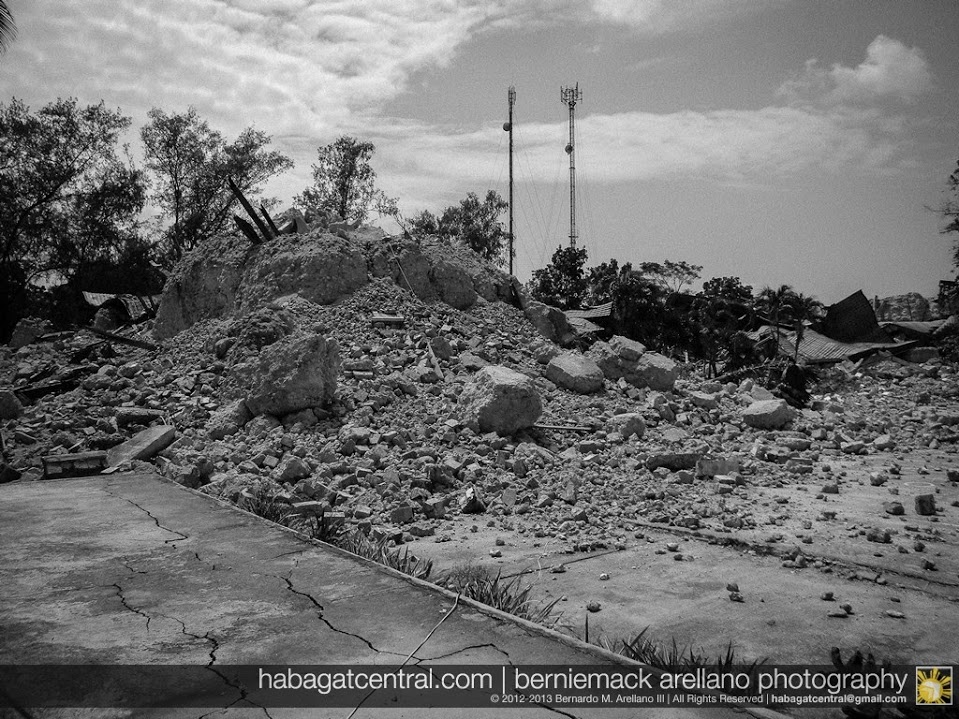
Today, the Maribojocnons celebrate their mass in makeshift church beside the still ruined site. The authorities advised the locals not to get the stones for it will be reused to rebuild the church once again.
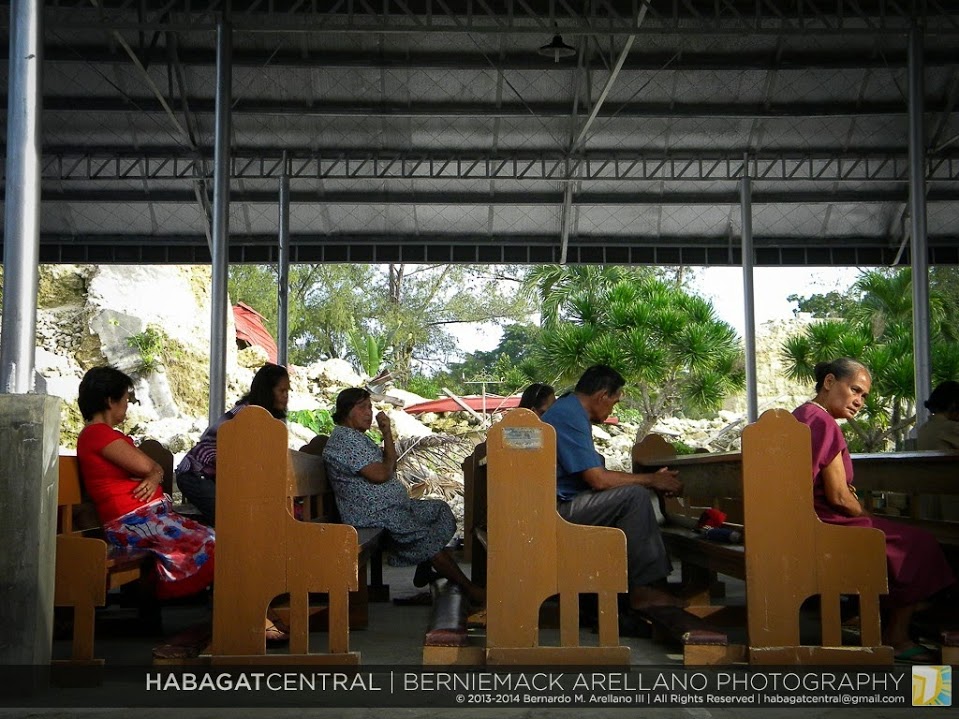
There is hope in everything. For the Bol-anons, the earthquake was their own Via Dolorosa. At the end of the road, despite deaths, agony, and destruction that they went through, there is simply the hope of resurrection and rebuilding.
More photos of Maribojoc Church before the earthquake here. For post-earthquake photos, you may visit the albums Bohol: More than 100 days after and Central Visayas Earthquake: A Bohol Roundup (Five days after the quake).


