Calle Real de Iloilo: A Southern Queen’s Royal Road
“Ang kwarta ginapiko, ginapala!”
The quote may now resonate Negros Occidental’s sugarcane industry, but it has lingered in the laid back yet progressive port city of Iloilo.
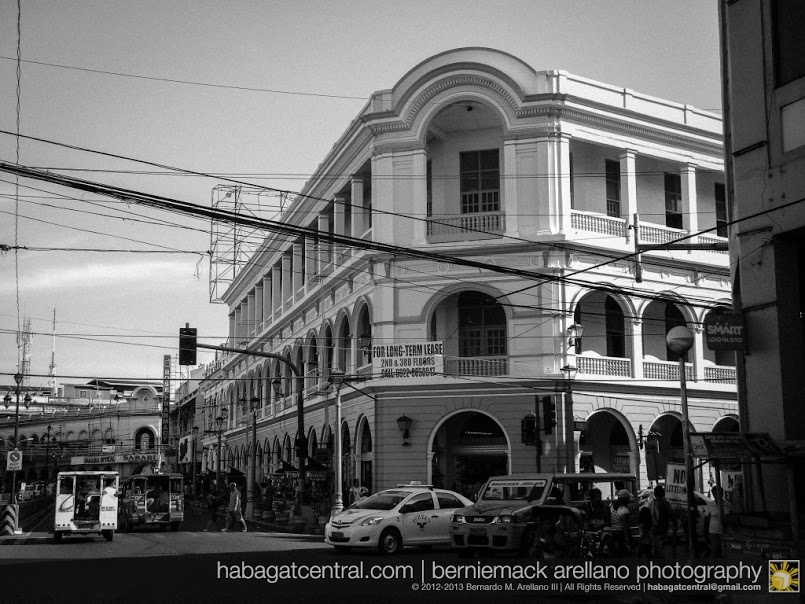
Eusebio Villanueva Building, or fondly called as “International Hotel” is one of the most prominent colonial-era buildings in downtown Iloilo City, Philippines
When sugar was still sweet, the people in the central islands of the Philippines established an “empire.” The once mosquito-ridden and swampy fishermen’s village became one of the islands’ international hubs—second to the capital. Its influence was widespread and brought a legacy that changed the islands’ history and society.
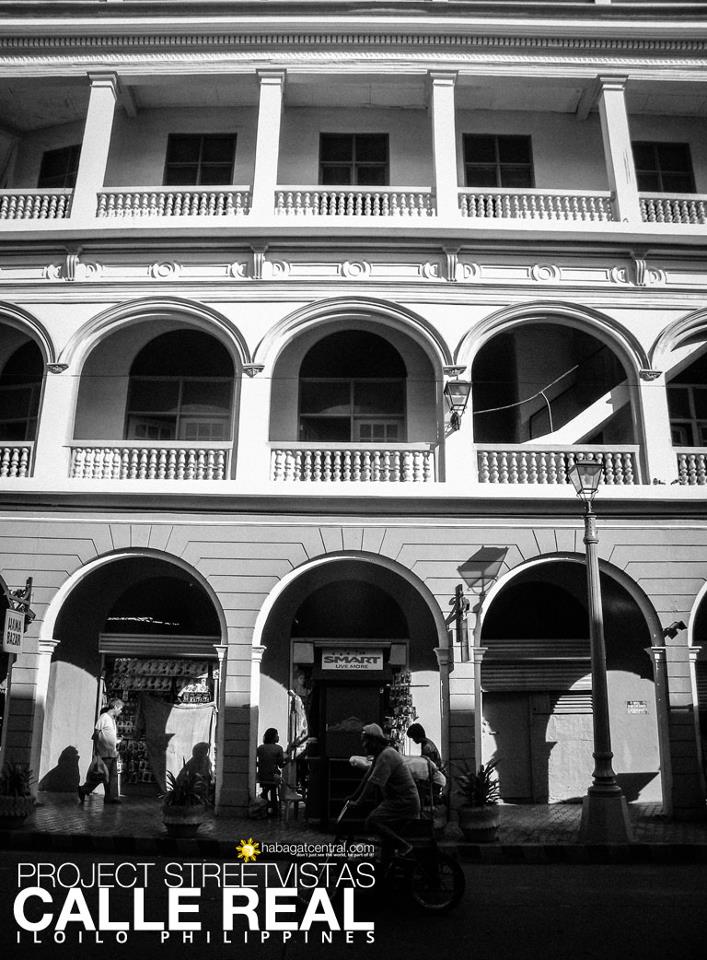
Street folks on a Sunday afternoon in Calle Real, Iloilo
Lin-ay, the daughter of the mythical ten chieftains of the west, became the Queen of the southern islands. Then her children constructed magnificent buildings in its heart, along the Royal Way—a testament of greatness of an era. Seemingly Gatsby-ish isn’t it?
Today, the “Royal Way” is JM Basa Street, otherwise known as “Calle Real.”—However, I like to encompass the entire historic city center of Iloilo. The Ilonggos’ very own Calle Crisologo. The story of the historic street seems to tell the story of Iloilo herself.
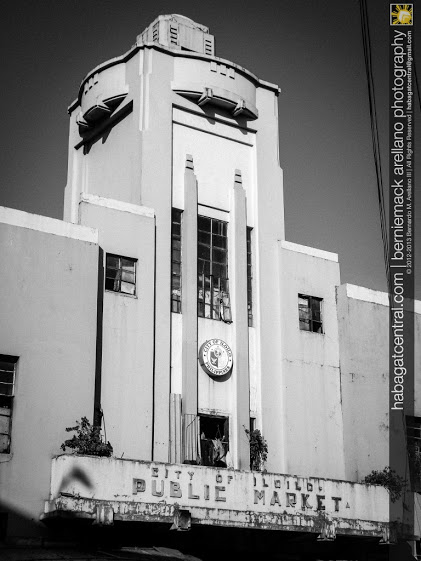
The Central Market of Iloilo City features art-deco architecture.
Calle Real is located right at the historic center of Iloilo City—the old downtown itself. Local historians, and even the oldies, remember this as the center of economic trade and commerce of what was once Philippines most important port city after Manila. It was “The Main Street” or some even likened it as “Escolta of Iloilo.”
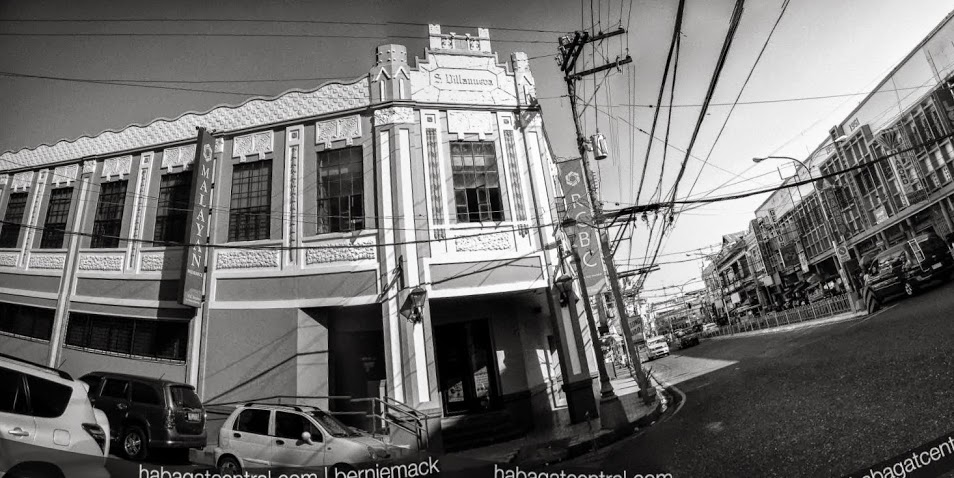
One of the many banks in Iloilo’s historic center.
The street, and together with the entire neighborhood that spans blocks within the city center, tells the story of Iloilo’s glorious past being the hub of transshipment of sugar to the world.
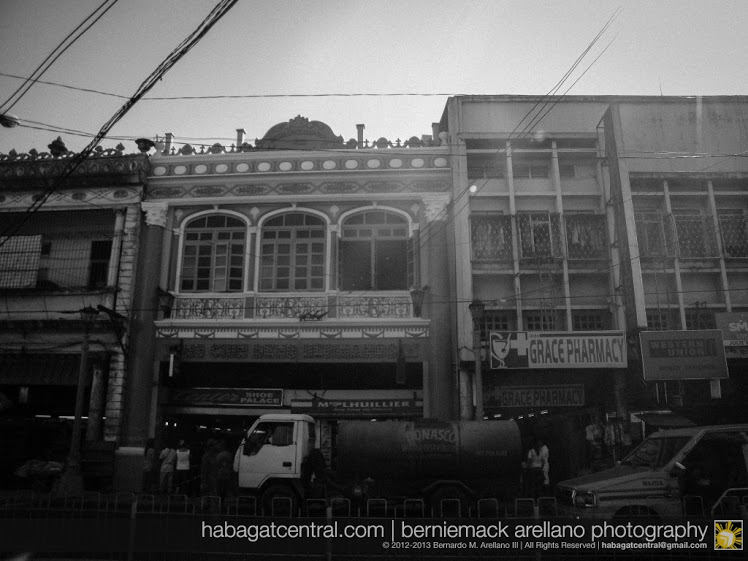
From 1920s to 1950s. Iloilo’s Calle Real has varying styles of architecture.
Iloilo had its firsts and bests of then-modern living, outside Greater Manila, like cinemas, electricity, shops that sell local and imported products, offices, hotels, foreign consulates, international banks, and a lot more. Calle Real is in fact fuelled by the nearby Muelle Loney or the Iloilo River Whaf—the port where transshipment is done.
And with all the “latest,” trends in architecture back then brought from the West, such as neo-classical, Art Deco, Art Noveau, and so much more. One couldn’t notice how the city, once a former fishermen’s village of nipa huts, became one of the colony’s most important cities—and it was all attributed to sugar.
Back then, party-party pag may time is really the call in the streets. Rich people were entertained with the latest movies from the West, or the bodabil perhaps.
On the other side, people from rural Panay flocked and worked at the port, at the fields of Negros, the shops at the city, and so much more, to keep the machinery ongoing.
Arroyo Fountain and Iloilo Provincial Capitol. Although far from the heritage district, it serves as Kilometer 0 of Panay Island, and a “gateway” to the historic city center of Iloilo.
The good life of the rich and famous, the noise of the calesas and the cars, the toiling kargadores of the wharf—of bustle, luxury, decadence, pomp, influence, power, and even decadence. The southern city’s main artery as it was in its “golden age.”
“Ang kwarta, guinapiko kag ginapala,” was then immortalized.
Then fate suddenly changed.
(to be continued)