CEBU, Philippines – An emerging eco-park in western Cebu is set to become the newest adventure destination in the growing tourism industry of the province by summer of 2014.
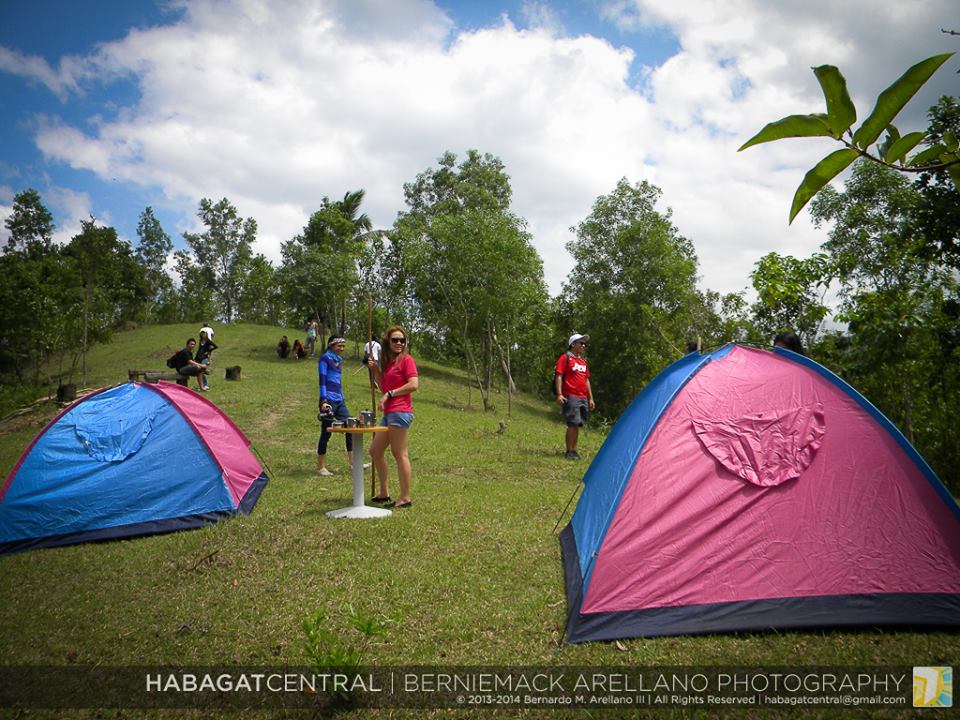
The campsite of Canso-X
Canso-X is the newest place to be for picnics, outdoor activities, relaxation, and ultimate adventure.
Loon Church is considered to be the biggest church in the entire island province of Bohol. I don’t have the stats but this century-old church indeed is huge! It was a surprise seeing this treasure on a high noon that Eastern Sunday, never realizing that only a few months later, it will implode to rubble along three souls that October morning.
When the earth shook violently that Tuesday morning at Cebu, we thought everyone was safe from harm. We were wrong. The power of social media, and thanks to the stability of communication in the city, information steadily streamed my tab. Offices were immediately evacuated. That morning, we thought we will be seeing only minor damages, but never had we known that it has become Visayas’ most powerful in more than 20 years and has toppled several buildings. However, I was moved when I saw the photo of the belfry ofSanto Niño de Cebu Basilica, ruined. I was stunned, shocked, and a bit teary-eyed.
Basilica Minore de Santo Nino de Cebu’s belfry ruined by the quake
The rustic and laid-back coastal town of Oslob in Cebu is something worth visiting. Aside from the deluge of visitors looking forward to swim with the whale sharks, the town has a unique charm of its own for cultural and art aficionados—the Spanish-colonial era La Iglesia de la Imaculada Concepcion, the Cuartel and the watchtower, all within the town’s old core.
Oslob
Several years ago, I visited the southern town of Oslob in Cebu. Back then, it wasn’t at the limelight of tourism—except maybe of the few and those who visit Sumilon Island. It was our visita iglesia in one of Cebu’s largest Spanish-colonial churches. What surprised us with this town was aside from its church were the ruins of the Army Barracks called Cuartel, and the once towering watchtower, slowly eroding in the beach.
Oslob then was a very laidback town…even up until now.
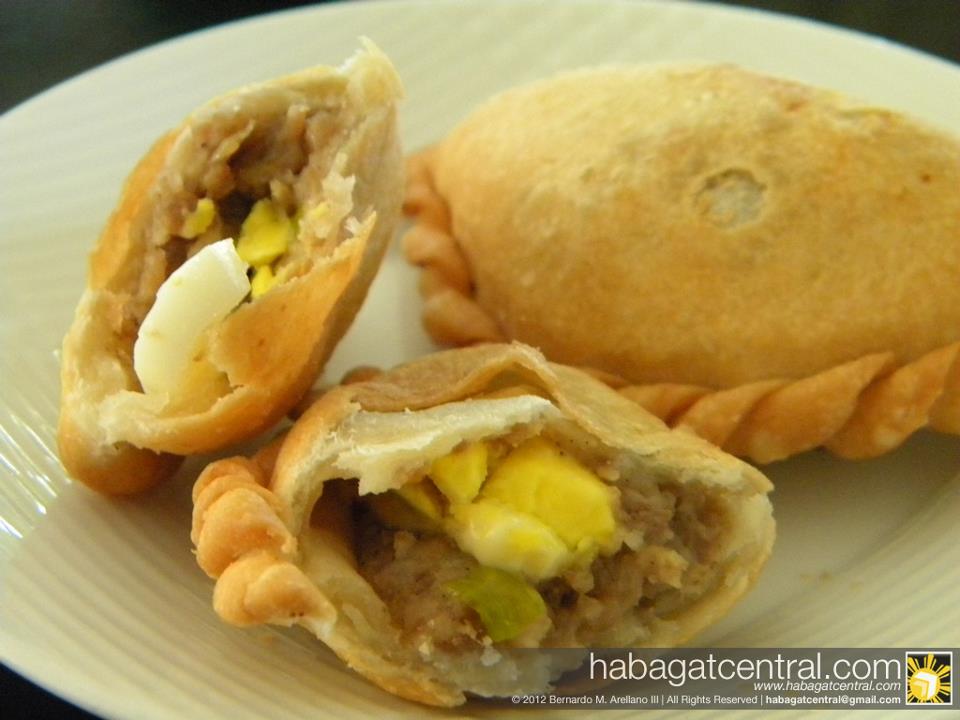
Regional food has been one of my faves. Just like festivals and places, food gives a unique experience in a place. In the City of Mati, the capital of Davao Oriental in Mindanao, a great pasalubong for anyone going to the easternmost place in the Philippines would be—empanada. Thanks to fellow blogger and friend Kuya Olan Emboscado of The Travel Teller, a native himself of the province, recommended me to buy one!
The map has been an indispensable best friend of every explorer in the world. From ancient peoples to Dora, maps have been a companion in every journeys and travels—an important tool for motorists, tourists, and ordinary folks alike. As for me, maps have been part of my life—devoted a part of my allowance (and asking my parents back then) to purchase me maps and atlas books. By high school, I was already making my own maps, both fictional and in reality—aside from being a frustrated pilot, I was also a nerd for cartography and anything geographical.
Philippines in new Google Maps
Time passes by so fast. My collection of maps is not as updated as it was, and with the rate Metro Manila and the Philippines are developing, more roads and more areas needed to be mapped. (more…)
Bohol is famous for Chocolate Hills, tarsiers, beaches, and several of its notable centuries-old Catholic Churches. The churches at Baclayon and Loboc are already included in the usual tours in Bohol, since these are in between Chocolate Hills and Tagbilaran City-Panglao Island area. These two churches receive waves of tourists everyday—and the crowning jewel of Bohol’s heritage churches. However, just like in Cebu and Iloilo, Bohol is a repository of centuries-old churches. The southwestern portion, between Tagbilaran City and Tubigon, has several notable churches worth visiting during visita iglesia, the off-beaten way.
Southwestern Bohol churches
I’ll just give some glimpse of the tour…and be ready to have your Salonpas, Efficascent, or Omega Pain Killer on your neck! I bypassed Tagbilaran’s Church due to lack of time. (more…)
My previous posts on Sagada were focused on activities and places outside the town proper. However, Day 1 in this town always starts at the poblacion or the town’s center. Of course, the bus terminal and the tourism office are located here! However, within the urban core it lies some of Sagada’s cultural and historical treasures—and yes that includes the famed Hanging Coffins!
Hanging Coffins of Sagada
The Hanging Coffins is the first destination to go whenever someone goes to Sagada. It’s in every guide book, magazine article, and blog posts! It may be a bit creepy (or as some say, Goth) as it may sound, but this cultural site has important significance to the Sagada Kankana-ey Igorots.
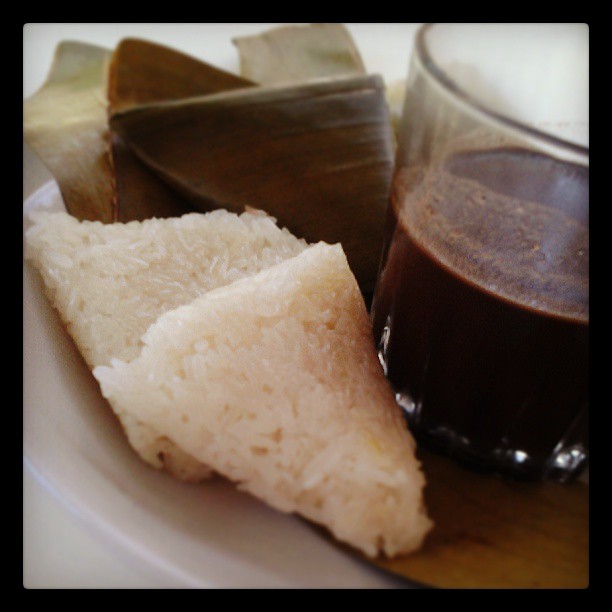
For the past few weeks, I have been living alone here in Cebu. I have to readjust everything, from environment to finances. There are times that I only have a few pesos in my wallet. Not even the usual rice and ulam breakfast can fit in. Yet luckily, Cebuanos have one thing in their culinaria that is often overlooked in this day and age—puto maya and sikwati!
The combination of puto maya (rice cake) and sikwati (chocolate) for what some people call, “the poor man’s breakfast.” For payday’s eve, people call it “Manna from Heaven!”