|
||||||||||||||||
Smooth Slider
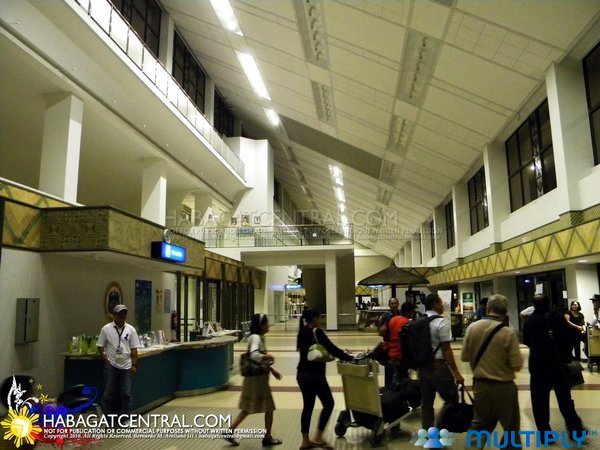 Bacolod-Silay Airport Lobby It was 7PM of the 22nd of January when I arrived at Bacolod’s new airport (which is in Silay City, some 20 kilometers away from Bacolod’s downtown). As usual, I opt to go the cheapest way to get out of the airport. Shuttle vans are about P100 and taxis are more expensive. I wrote not so long ago on how to get in or out of the Bacolod-Silay Airport when you’re a tightwad and budget-stricken traveler like moi. But here’s an update on that… Read more 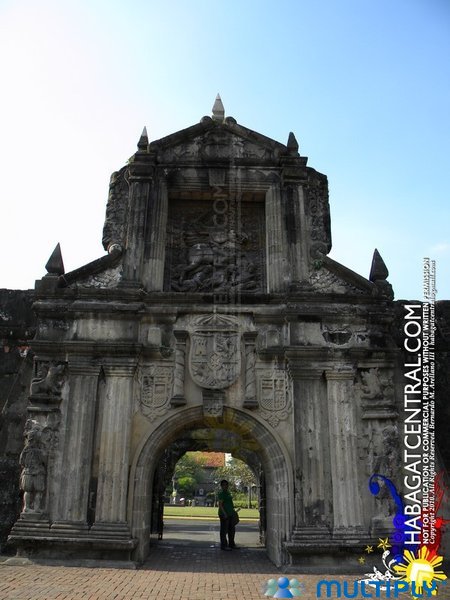 Fort Santiago Gate After lunch, we head back to Intramuros and went to our ultimate destination: Fort Santiago. Why ultimate? Because it is where Jose Rizal was incarcerated for the last days of his life. Before he was shot in Luneta (err…Bagumbayan), he was imprisoned here by the Spanish authorities due to accusations of instigating mass revolts that are erupting all over Luzon and some parts of the country. What is it about Fort Santiago? Except that it is popular as a fieldtrip destination of kids and tourists, it is one focal point of authority during the Spanish colonial era…a manifestation of foreign grip in the Philippines. It is located at the northernmost part of the walled city, like a sentinel guarding the mouth of Pasig River and the walled city itself. Its location is as strategic as it is important to the Spanish crown colony, as most of the military power emanates from this fuerza real. Read more
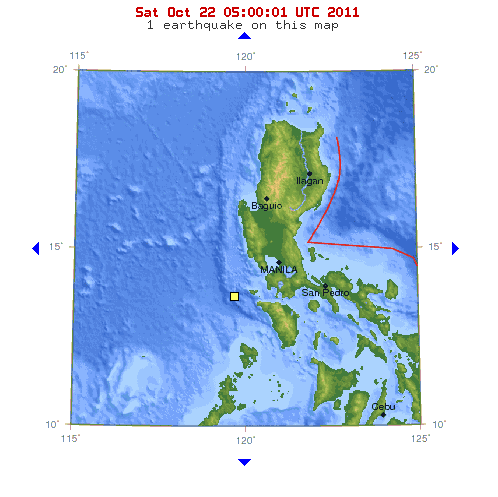
Eversince I settled in the Visayas, I was exposed to these big festivals that the Visayans are very proud of. Reflecting its laid back yet devoted populace, the January festivities attract spectators by the millions…all in the name of Señor Santo Niño or the Holy Christ Child. Here’s the thing though on what I’ve observed on these big Santo Niño festivals when it comes to musicality, costumes and choreography. Each of them, unique in a way…well, in my observation. An earthquake rocked the Philippine capital of Manila and its surrounding metropolitan area and provinces in Tuesday, January 12, 2008. According to USGS, the epicenter is located 50 kilometers west of Manila, pertaining directly to Bataan and was measured magnitude 5 on the Richter scale. So far, no damages have been reported. For more technical information, please refer below: (Source USGS) Location of the earthquake:
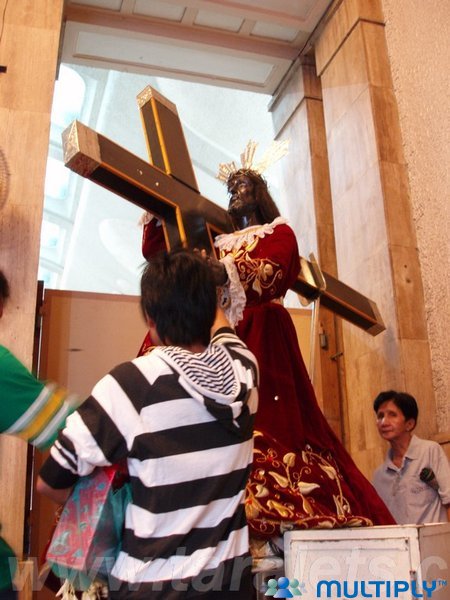 Image of the Black Nazarene Thousands of faithful will gather again this Saturday, January 9 for the annual feast of the Black Nazarene in Quiapo district, Manila. As old as tradition, Manila’s streets will be jam-packed with thousands of devotees flocking the Quiapo Church, Plaza Miranda and the streets of downtown Manila. The Manila Police District, in cooperation with the Quiapo Parish, released the 2010 procession route of the image of the Black Nazarene. It would still start at Quirino Grandstand and will pass by Lawton towards the streets of Quiapo, just like last year. However, the Quiapo area of the procession has been changed back to its traditional route because nakasanayan na ng mga deboto ang ruta na ito to prevent another untoward incident like that of last year. The reason is to accommodate the growing number of devotees to have contact with the image. And along with that would be the closure of some streets right at the heart of downtown Manila. It was almost 11AM when we left Luneta for Intramuros as we continue our walk in reminiscing Rizal’s last footsteps. Sure enough, Intramuros is just a walk away from the park…but beware of crossing Padre Burgos Street though…big trucks and cars rush over the road…just wait for the pedestrian crossing light to turn green, ok? In anyways, it was just a short walk entering Puerta Real and Revellin de Real de Bagumbayan…the Royal Gates of the medieval Manila that was. Intramuros in a glimpse was THE Manila of the Spanish colonial era. The Spaniards live here amidst the protection of its walls and fully-armed cannoned baluartes from the foreigners or extranjeros such as piratas, Moros, Briton, Neerlandes, Portugues and most especially Chinos infiel. Built from Rajah Matanda’s old wooden palisade community called Maynilad, the settlement grew to be the colony’s center of governance. It survived all the way until World War II when it was heavily damaged during “The Liberation” in 1945 which was also the venue for hundreds of thousands slain by the Japanese imperial troops in the wake of the American forces “liberating” Manila. Three decades later, it was restored and now managed by the Intramuros Administration under the Office of the Philippine President.  |
 Follow this blog 


  |
       |
||||||||||||||
|
Copyright © 2010-2011 HabagatCentral.com | Bernárdo M. Arelláno III - Todos Derechos Reservados/All Rights Reserved |
||||||||||||||||


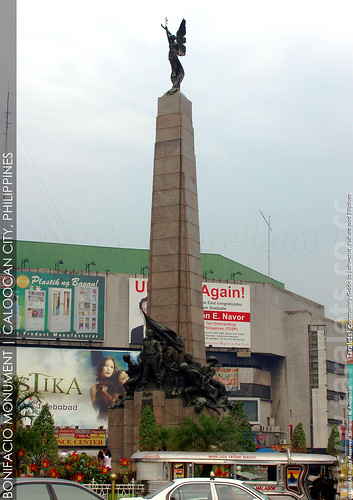



The Legacy of Flying Budget
By Stanley Palisada
Cebu Pacific Air Airbus A320-200
In the 2003 Gwyneth Paltrow starrer “View from the Top”, Candice Bergen who played accomplished Flight Attendant Sally Weston said “Gone are the days when people traveled in style”.
In the era of budget airlines, people take a plane as though it was just a bus. Flying today is like riding a pedicab or a PUJ where comfort or service does not matter as long as the airline delivers its promise to “get you there”- and in one piece (literally, as you’re dead broke per additional baggage). Read more